
Restaurants thrive on timing, appetite, and relationships. A well-planned restaurant email blast brings all three together by reaching guests with the right offer, at the right moment, in a format that is easy to act on. Whether you run a neighborhood café, a fine dining restaurant, a pizza shop, or a multi-location brand, email remains one of the most reliable ways to fill seats, increase takeout orders, promote events, and bring back past customers.
TLDR: A restaurant email blast is a targeted promotional email sent to your guest list to drive reservations, orders, loyalty visits, or event attendance. The best campaigns are timely, visually appealing, personalized, and built around one clear call to action. Use email blasts for limited-time offers, seasonal menus, holidays, loyalty rewards, private events, and customer reactivation. Track open rates, clicks, reservations, and redemptions so each campaign becomes smarter than the last.
Table of Contents
What Is a Restaurant Email Blast?
A restaurant email blast is a marketing email sent to a group of subscribers, customers, or loyalty members. Unlike a one-to-one message, an email blast is designed to reach many people at once. However, the word blast should not mean “send the same generic message to everyone.” The most effective restaurant emails feel timely, relevant, and personal, even when they are automated or sent to thousands of guests.
Restaurant email blasts can promote a huge variety of offers and experiences, including:
- New menu launches, such as seasonal dishes or chef specials
- Happy hour promotions for slower weekday periods
- Online ordering discounts for takeout and delivery
- Holiday reservations for Valentine’s Day, Mother’s Day, or New Year’s Eve
- Loyalty rewards, birthday treats, and VIP previews
- Live music, wine dinners, trivia nights, and other events
The goal is simple: give guests a reason to come back, order now, book a table, or share your restaurant with someone else.
Why Email Still Works for Restaurants
Social media is useful, but it is unpredictable. Your post may or may not appear in a follower’s feed. Paid ads can be effective, but costs fluctuate. Email is different because your list is an audience you own. These are people who have already shown interest in your restaurant by signing up, booking, ordering, or joining your loyalty program.
Email also works because restaurants are visual and emotional businesses. A beautiful photo of a sizzling entrée, a cozy dining room, or a refreshing cocktail can create instant desire. Pair that with a strong offer and an easy booking button, and your email can turn attention into action within minutes.
Build a Better Restaurant Email List
Before crafting the perfect email, you need the right audience. A strong list is built with permission, trust, and clear value. Never buy random email lists. They usually produce poor results, damage deliverability, and can create compliance problems. Instead, collect emails from people who actually want to hear from your restaurant.
Good ways to grow your restaurant email list include:
- Website sign-up forms: Add a short form to your homepage, menu page, and reservation page.
- WiFi sign-ups: Offer free guest WiFi in exchange for an email address and marketing consent.
- Online ordering: Invite customers to opt in during checkout.
- Reservation systems: Ask diners if they would like restaurant news, offers, and event updates.
- QR codes: Place table tents, receipts, or menu inserts with a QR code for joining your list.
- Loyalty clubs: Offer points, birthday rewards, or exclusive perks for members.
The best sign-up message is specific. Instead of saying “Join our newsletter,” try “Get first access to seasonal menus, chef events, and members-only offers.” This tells guests exactly why subscribing is worthwhile.
Segment Your Audience for Better Results
One of the biggest mistakes restaurants make is sending every email to every person. A family who visits for Sunday brunch may not respond to a late-night cocktail promotion. A frequent takeout customer may care more about online ordering than private dining. Segmentation helps you send messages that match guest behavior.
Useful restaurant email segments include:
- First-time customers: Send a warm welcome and invite them back with a small incentive.
- Regular guests: Reward them with exclusive previews, loyalty perks, or surprise bonuses.
- Lapsed customers: Send a “we miss you” offer after 60 or 90 days of inactivity.
- High spenders: Promote chef’s tables, tasting menus, wine pairings, and private events.
- Takeout customers: Highlight online ordering, family bundles, and delivery specials.
- Event guests: Promote upcoming themed dinners, live music nights, or holiday celebrations.
Even simple segmentation can improve performance. If you know who orders takeout versus who books dine-in reservations, you can make each campaign more relevant and profitable.
Craft Subject Lines That Make Guests Hungry
Your subject line decides whether your email gets opened. It should be short, clear, and appealing. Think of it like the sign outside your restaurant: it must create enough curiosity or desire to bring someone inside.
Examples of effective restaurant subject lines include:
- “Tonight only: Half-price bottles of wine”
- “Your weekend brunch table is waiting”
- “New fall menu: pumpkin, sage, and everything cozy”
- “A birthday dessert is on us”
- “Skip cooking tonight: family pasta bundles are back”
- “Last call for Valentine’s Day reservations”
Avoid subject lines that feel spammy, vague, or overloaded with punctuation. “BIG DEAL!!!! OPEN NOW!!!!” feels less trustworthy than “Lunch special today: burger, fries, and a drink for $12.” Specificity wins.
Make the Email Visually Appetizing
Restaurant emails should be easy to scan and hard to resist. Use one strong hero image, a clear headline, a few lines of persuasive copy, and a prominent call-to-action button. Guests should understand the offer within seconds.
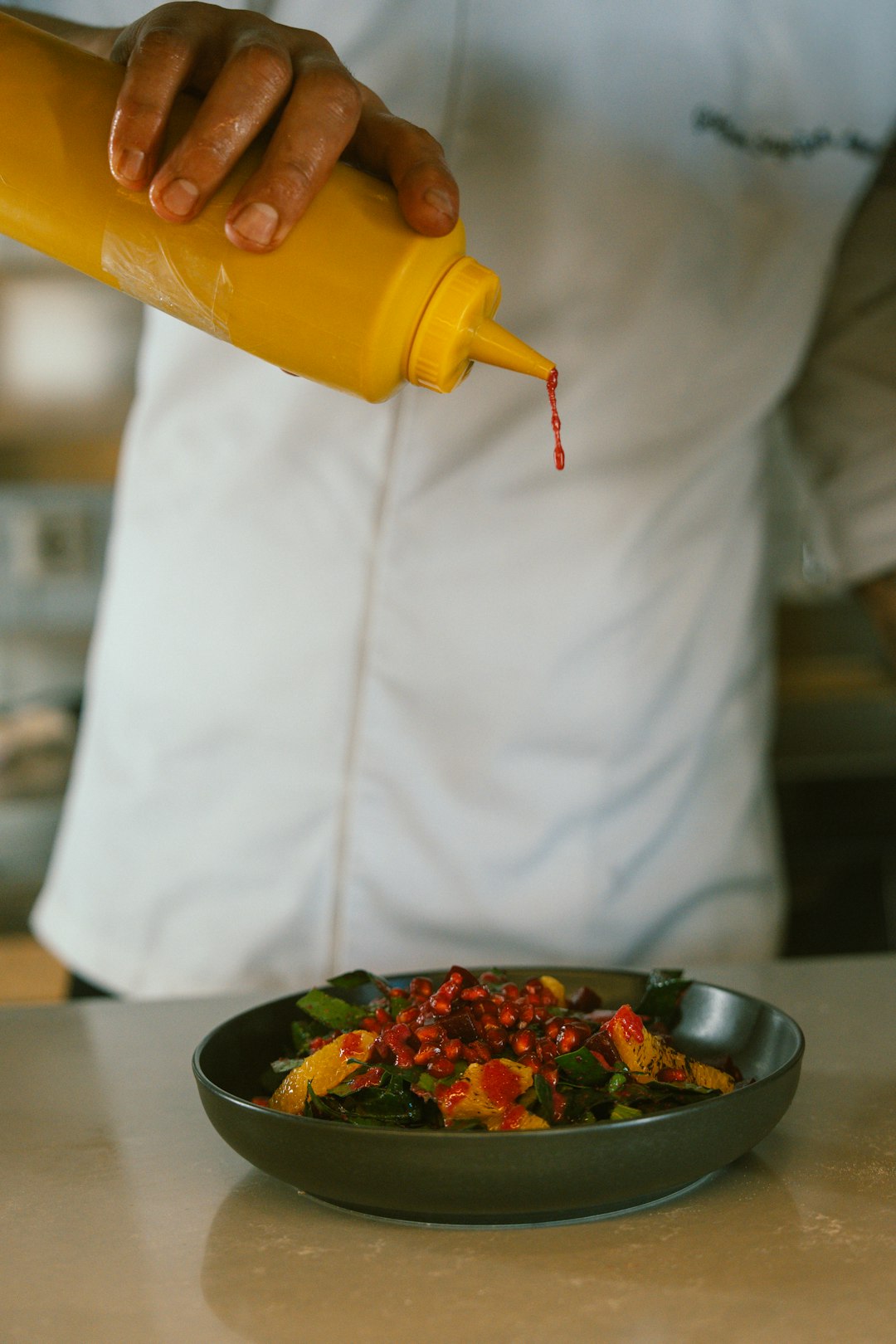
Strong visuals might include a close-up of a signature dish, a bartender pouring a cocktail, a chef plating a special, or a lively dining room. Keep the design clean. Too many images, fonts, colors, or competing offers can confuse readers and reduce clicks.
Every email should answer three questions quickly:
- What is being offered? A discount, menu, event, reservation slot, or reward.
- Why should the guest care? Limited availability, seasonal ingredients, savings, exclusivity, or convenience.
- What should they do next? Book a table, order online, call, view the menu, or claim the offer.
Use One Clear Call to Action
A restaurant email blast should not feel like a bulletin board. If you ask readers to book a table, order catering, follow social media, read a blog post, download a menu, and buy a gift card all in the same email, many will do nothing. Focus on the most important action.
Good restaurant call-to-action examples include:
- Reserve Your Table
- Order Online Now
- View the New Menu
- Claim Your Birthday Dessert
- Book Private Dining
- Get Tickets to the Wine Dinner
Place the main button near the top of the email and repeat it near the end if the message is longer. Make sure links go directly to the relevant page, not just your homepage.
Restaurant Email Blast Strategies That Work
1. Promote Limited-Time Offers
Urgency motivates action. A limited-time offer gives guests a reason to decide now instead of later. This works especially well for slower nights, new item trials, and seasonal inventory.
Example: “This Tuesday and Wednesday only, enjoy our grilled salmon entrée with a complimentary glass of house white wine. Available for dine-in from 5 p.m. to 9 p.m.”
2. Fill Slow Shifts
If Mondays and Tuesdays are quiet, do not simply discount everything. Create a reason to visit. Try pasta night, taco Tuesday, neighborhood appreciation night, or a prix fixe menu.
Example: “Make Monday feel like the weekend. Join us for a three-course comfort menu for $29, available every Monday this month.”
3. Drive Online Orders
Email is excellent for takeout and delivery because it reaches people when they are thinking about meals. Send these emails before lunch or late afternoon before dinner decisions are made.
Example: “Dinner solved: order any two entrées online tonight and get a free appetizer. Use code APPETIZER at checkout.”
4. Announce Seasonal Menus
Seasonal menus feel fresh and newsworthy. They also give loyal guests a reason to return even if they already know your regular menu.
Example: “Our winter menu has arrived, featuring braised short ribs, roasted squash risotto, citrus salads, and warm chocolate bread pudding.”
5. Celebrate Guest Milestones
Birthday and anniversary emails are among the most effective restaurant campaigns because they feel personal. Automate these messages and include a clear redemption window.
Example: “Happy birthday from all of us! Celebrate with a complimentary dessert when you dine with us any time this month.”
Email Blast Examples for Restaurants
Example 1: New Menu Launch
Subject: Our spring menu is here
Email copy: Fresh herbs, bright citrus, and market vegetables have arrived on our new spring menu. Join us this week to try lemon ricotta ravioli, grilled asparagus salad, and strawberry basil panna cotta.
CTA: Reserve Your Table
Example 2: Lapsed Customer Win-Back
Subject: We saved you a seat
Email copy: It has been a while, and we would love to welcome you back. Enjoy 15% off your next dine-in visit this month, whether you are craving an old favorite or something new.
CTA: Come Back Soon
Example 3: Private Dining Promotion
Subject: Planning a celebration?
Email copy: From birthdays to business dinners, our private dining room is ready for your next gathering. Custom menus, wine pairings, and attentive service make hosting simple.
CTA: Inquire About Events
Best Times to Send Restaurant Email Blasts
Timing depends on the goal. For lunch promotions, send between 9 a.m. and 11 a.m. For dinner offers, late morning or mid-afternoon often works well. Weekend reservation emails usually perform best earlier in the week, such as Tuesday through Thursday, when guests are making plans.
Holiday campaigns need more lead time. Valentine’s Day, Mother’s Day, Thanksgiving, and New Year’s Eve should be promoted early, with reminder emails as availability decreases. For special events, send an announcement, a reminder, and a final “last chance” email if seats remain.
Measure What Matters
To improve your email marketing, track results after every campaign. Open rates show whether your subject lines are working. Click rates reveal whether the content and offer are compelling. Reservations, online orders, coupon redemptions, and revenue show the true business impact.
Important metrics include:
- Open rate: How many recipients opened the email
- Click-through rate: How many clicked a link or button
- Conversion rate: How many booked, ordered, or redeemed
- Unsubscribe rate: Whether your frequency or relevance needs adjustment
- Revenue per campaign: The clearest measure of profitability
Common Mistakes to Avoid
Even strong restaurants can weaken their email results with avoidable mistakes. Sending too often can make guests tune out. Sending too rarely can make them forget why they subscribed. Overusing discounts can train customers to wait for deals instead of visiting at full price.
Also avoid cluttered layouts, tiny mobile text, broken reservation links, unclear expiration dates, and offers that staff do not know about. If an email promotes a special, every host, server, bartender, and cashier should understand the details before guests arrive.
Final Thoughts
A restaurant email blast is more than a quick promotion. Done well, it is a direct line to people who already like your food, your atmosphere, and your hospitality. Focus on helpful timing, mouthwatering visuals, relevant offers, and clear next steps. When every message gives guests a good reason to visit, order, or celebrate with you, email becomes one of the most dependable tools in your restaurant marketing strategy.