

A website can look polished, load correctly, and still remain nearly invisible in search results. That is where SEO readiness comes in: it is the practice of making sure your site is easy for search engines to crawl, understand, trust, and recommend. A strong optimization checklist helps you move beyond guesswork and turn your website into a stronger, faster, more useful destination for both visitors and search engines.
TLDR: A truly SEO-ready website combines technical performance, valuable content, clear structure, mobile usability, and trustworthy signals. Start by checking crawlability, page speed, metadata, keyword targeting, internal links, and content quality. Then improve user experience, local SEO, analytics tracking, and ongoing maintenance. SEO is not a one-time task; it is a continuous process of testing, improving, and adapting.
Table of Contents
1. Start with a Complete SEO Audit
Before you optimize anything, you need to know where your website currently stands. An SEO audit reveals technical errors, content gaps, slow pages, broken links, duplicate titles, and other issues that may quietly reduce visibility. Think of it as a health check for your site. Without it, you may spend time improving the wrong things while major problems remain untouched.
A basic SEO audit should review:
- Indexing status: Are your most important pages appearing in search results?
- Crawl errors: Are search engines blocked from accessing key content?
- Page speed: Do pages load quickly on desktop and mobile?
- Metadata: Are titles and descriptions unique, relevant, and compelling?
- Content quality: Does each page provide genuine value to users?
- Backlink profile: Are reputable websites linking to you?
Use analytics tools, search console data, and crawling software to gather insights. The goal is not just to find problems, but to prioritize them based on impact. Fixing a page that receives no traffic may matter less than improving a slow, high-intent landing page that already attracts visitors.

2. Make Sure Search Engines Can Crawl and Index Your Site
Search engines discover content by crawling links across the web. If your site blocks crawlers, hides important pages, or has confusing architecture, your best content may never rank. Your SEO checklist should begin with a few foundational technical checks.
First, review your robots.txt file. This file tells search engine crawlers which areas of the site they can or cannot access. Make sure you are not accidentally blocking important pages, product categories, blog posts, or landing pages. Next, check your XML sitemap. A sitemap acts like a roadmap, helping search engines find important URLs faster.
Also confirm that your pages use appropriate canonical tags. These tags help search engines understand which version of a page is the preferred one, especially when similar content appears in multiple locations. Without canonical tags, you may dilute ranking signals across duplicates.
Finally, check index coverage. If important pages are marked as “noindex,” they will not appear in search results. Sometimes this happens after a website redesign or staging launch, when temporary settings are accidentally left in place.
3. Optimize Site Structure and Navigation
A well-organized website helps both users and search engines. Visitors should be able to understand where they are, what they can do next, and how to find related information. Search engines use structure to determine relationships between pages and to identify the most important content.
Strong site structure usually includes:
- A clear homepage that links to major sections
- Logical categories and subcategories
- Descriptive navigation labels
- Breadcrumbs for deeper pages
- Internal links between related articles, products, or services
Internal linking is often underestimated. A page with no internal links pointing to it is harder for search engines and users to find. When you link between related pages, use descriptive anchor text rather than vague phrases like click here. For example, “technical SEO checklist” tells users and crawlers far more than “read more.”
4. Conduct Smart Keyword Research
Keyword research is not about stuffing popular phrases into every paragraph. It is about understanding how your audience searches, what questions they ask, and what intent sits behind each query. A person searching “best running shoes for flat feet” has a different intent than someone searching “what causes flat feet.” The first may be ready to buy; the second is likely researching.
Build your keyword strategy around intent:
- Informational: Users want answers, tutorials, or explanations.
- Commercial: Users compare options before making a decision.
- Transactional: Users are ready to buy, book, subscribe, or contact.
- Navigational: Users are looking for a specific brand, page, or location.
Each important page should have a primary keyword focus and a set of related terms. However, natural writing matters. Search engines are increasingly skilled at understanding topics, context, and semantic relationships. Your goal is to create content that comprehensively answers the user’s need, not content that reads like a keyword list.
5. Create Useful, Search-Friendly Content
Content is still one of the strongest SEO assets, but only when it is helpful. Thin, generic, copied, or outdated content rarely performs well. Search engines reward pages that provide clear answers, practical insights, original value, and a satisfying user experience.
To make content SEO-ready, ensure every key page has:
- A clear purpose: Know what question or need the page addresses.
- A strong intro: Tell readers quickly why the page matters.
- Helpful headings: Break content into scannable sections.
- Original insight: Add examples, data, comparisons, or expert perspective.
- Updated information: Refresh statistics, links, pricing, and recommendations.
- A clear next step: Guide users toward another useful action.
Readability also matters. Use short paragraphs, plain language, bullet points, and visual breaks. A page can be highly informative and still fail if it feels overwhelming. Good SEO content is not just optimized for algorithms; it is designed for real people who may be tired, busy, uncertain, or comparing options.

6. Perfect Your Title Tags and Meta Descriptions
Your title tag is one of the most important on-page SEO elements. It tells search engines what the page is about and often appears as the clickable headline in search results. A good title is specific, keyword relevant, and appealing to humans.
For example, a weak title might be: Services. A stronger version would be: Small Business Accounting Services in Austin. The second version gives both search engines and users more context.
Meta descriptions do not directly guarantee rankings, but they can influence click-through rates. A compelling description should summarize the page, include relevant terms naturally, and give users a reason to click. Avoid duplicating the same title and description across many pages. Unique metadata helps each page stand on its own.
7. Improve Page Speed and Core Web Vitals
Speed affects rankings, user experience, conversions, and trust. If your site takes too long to load, visitors may leave before they ever see your content. This is especially important on mobile devices, where connections may be slower and patience is often limited.
To improve performance, focus on:
- Compressing images without sacrificing quality
- Using modern image formats where possible
- Minimizing unnecessary scripts and plugins
- Enabling browser caching
- Using a reliable hosting provider
- Reducing render-blocking resources
Pay attention to Core Web Vitals, which measure real-world user experience. These include loading performance, interactivity, and visual stability. In simple terms, your site should load quickly, respond promptly, and avoid unexpected layout shifts. A button jumping away just as a user tries to tap it is not only annoying; it can also hurt performance signals.
8. Make Mobile Experience a Priority
Mobile optimization is no longer optional. Many visitors will discover and explore your site from a phone, and search engines primarily evaluate the mobile version of websites. A mobile-friendly site should not simply shrink desktop content onto a smaller screen. It should feel intentionally designed for touch, speed, and readability.
Check that your mobile site has readable text, properly spaced buttons, simple navigation, fast-loading pages, and forms that are easy to complete. Avoid intrusive pop-ups that cover the screen or make content difficult to access. If users must pinch, zoom, struggle, or wait, your mobile experience needs work.
9. Strengthen Image SEO
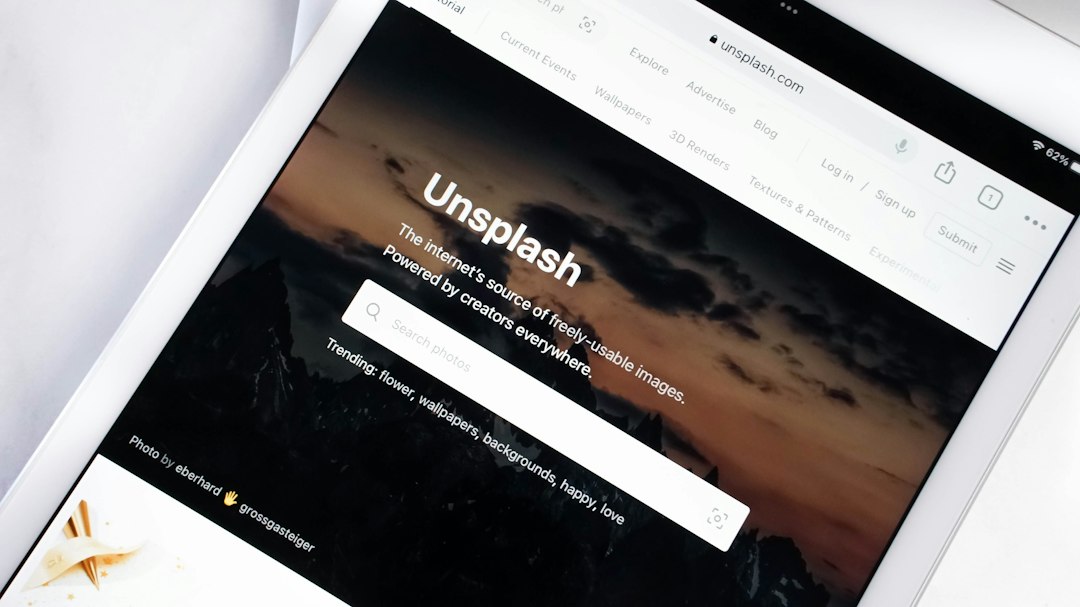
Images can make content more engaging, but they can also slow down your website if handled poorly. Every important image should be compressed, appropriately sized, and described with meaningful alt text. Alt text helps search engines understand the image and improves accessibility for users who rely on screen readers.
Avoid vague file names like IMG_2048.jpg. Use descriptive names such as organic cotton tote bag or kitchen renovation before after. Keep alt text concise and accurate. Do not stuff keywords into image descriptions; describe what is actually shown.
10. Use Schema Markup Where It Makes Sense
Schema markup is structured data that helps search engines interpret page content more clearly. It can support enhanced search results for products, reviews, recipes, events, FAQs, local businesses, and more. While schema does not guarantee rich results, it can make your listings more informative and visually appealing.
Common schema types include:
- Organization: Useful for business identity details.
- LocalBusiness: Helpful for companies serving specific locations.
- Product: Useful for ecommerce pages.
- Article: Suitable for blog posts and editorial content.
- FAQ: Good for pages with clear question-and-answer sections.
Always test your structured data after implementation. Errors in schema can prevent search engines from using it correctly.
11. Build Trust with E-E-A-T Signals
Search engines want to recommend trustworthy information. That is why your site should demonstrate experience, expertise, authoritativeness, and trustworthiness. This is especially important for topics related to health, finance, legal advice, safety, or major purchasing decisions.
You can strengthen trust by adding author bios, citing credible sources, displaying contact information, maintaining accurate policies, showcasing reviews, and keeping content updated. If your business has certifications, awards, professional memberships, or media mentions, include them where relevant. Trust is not built through one element; it is the cumulative effect of transparency, quality, and consistency.
12. Optimize for Local Search
If your business serves a specific city, region, or physical location, local SEO should be part of your checklist. Make sure your business name, address, and phone number are consistent across your website and directory listings. Inconsistent information can confuse both users and search engines.
Create location-specific pages if you serve multiple areas, but avoid duplicating the same content with only the city name changed. Each location page should include unique details, local testimonials, service information, directions, and relevant context. Encourage satisfied customers to leave honest reviews, and respond professionally to both positive and negative feedback.
13. Track Results and Keep Improving
SEO readiness is not a finish line. Algorithms change, competitors improve, search behavior evolves, and your own content can become outdated. Tracking performance helps you understand what is working and where to focus next.
Monitor key metrics such as:
- Organic traffic
- Keyword rankings
- Click-through rate
- Conversions from organic visitors
- Bounce rate and engagement
- Indexed pages
- Backlinks and referring domains
Do not judge SEO success by rankings alone. A keyword may rank well but deliver visitors who never convert. Another keyword may have lower volume but bring highly qualified leads. The best SEO strategy connects visibility with meaningful business outcomes.
Final SEO-Ready Checklist
- Run a full technical and content audit.
- Confirm important pages are crawlable and indexable.
- Submit and maintain an accurate XML sitemap.
- Organize your site with clear navigation and internal links.
- Research keywords based on user intent.
- Create helpful, original, and well-structured content.
- Write unique title tags and meta descriptions.
- Improve page speed and Core Web Vitals.
- Design an excellent mobile experience.
- Optimize images with compression, file names, and alt text.
- Use schema markup where appropriate.
- Build trust through transparency, expertise, and reviews.
- Strengthen local SEO if location matters to your business.
- Track performance and update regularly.
An SEO-ready website is not built by chasing shortcuts. It is built by making your site faster, clearer, more useful, and easier to understand. When technical health, content quality, and user experience work together, search engines have more reasons to rank your pages and visitors have more reasons to stay. Treat this checklist as an ongoing routine, and your website will be better prepared to compete, grow, and convert.