

Email remains one of the most reliable channels for building loyalty, driving repeat visits, and nurturing long-term customer relationships. However, inboxes are crowded, attention spans are short, and subscribers expect messages that feel relevant, timely, and useful. A smart newsletter strategy helps a brand move beyond simple announcements and create an experience that readers continue to value.
TLDR: Strong email engagement depends on relevance, consistency, personalization, and clear value. Brands that segment audiences, write compelling subject lines, optimize design, and track performance are more likely to retain subscribers. A successful newsletter should feel less like a broadcast and more like an ongoing relationship. The best strategies focus on helping subscribers, not simply selling to them.
Table of Contents
Smart Newsletter Strategies: 8 Ways to Increase Email Engagement and Subscriber Retention
A newsletter is not just a marketing tool; it is a recurring touchpoint between a brand and its audience. When handled well, it can educate, entertain, inspire, and convert. When handled poorly, it becomes another unread message or, worse, a reason to unsubscribe. The following strategies help improve open rates, clicks, and long-term subscriber retention.
1. Segment the Audience for Better Relevance
One of the most effective ways to improve engagement is audience segmentation. Instead of sending the same message to every subscriber, a brand can group readers based on behavior, interests, location, purchase history, or engagement level.
For example, new subscribers may need a welcome sequence, while loyal customers may appreciate early access to products or exclusive insights. Inactive subscribers may require a re-engagement campaign with a stronger value proposition. Relevant emails feel personal, and personal emails are more likely to be opened, read, and acted upon.
- New subscribers: Send onboarding content and helpful introductions.
- Frequent buyers: Offer loyalty rewards, previews, or insider updates.
- Inactive readers: Use win-back messages and preference updates.

2. Create Subject Lines That Spark Curiosity
The subject line is the first decision point. If it fails, the rest of the newsletter may never be seen. Effective subject lines are clear, specific, and interesting without being misleading. They should give readers a reason to open the email while setting accurate expectations.
A brand may test different approaches, such as benefit-driven subject lines, curiosity-based phrasing, urgency, or personalization. However, excessive clickbait can damage trust. A subject line should promise value, and the email must deliver on that promise.
Examples of stronger subject line styles include:
- “3 simple ways to improve this week’s workflow”
- “A private preview for loyal subscribers”
- “What high-performing teams are doing differently”
3. Deliver Clear Value in Every Issue
Subscribers stay when newsletters consistently provide something worthwhile. That value may come in the form of tips, industry insights, exclusive offers, curated resources, product education, or entertaining stories. The key is consistency: each email should answer the silent reader question, “Why should this matter?”
A newsletter should not be purely promotional. If every message asks subscribers to buy, register, or download, fatigue will set in quickly. A balanced approach usually performs better. Educational content, practical advice, and helpful recommendations build credibility over time.
4. Use Personalization Beyond the First Name
Adding a subscriber’s first name can help, but meaningful personalization goes further. A smart newsletter strategy uses behavioral and preference data to tailor content. This might include recommending products based on browsing history, sending content related to previously clicked topics, or adjusting email frequency based on engagement patterns.
Personalization should feel helpful, not intrusive. When a brand uses data responsibly, subscribers receive messages that align with their needs. When personalization feels overly aggressive or unexpected, it can reduce trust. Transparency and relevance should guide every personalized campaign.
5. Design for Quick Reading and Mobile Screens
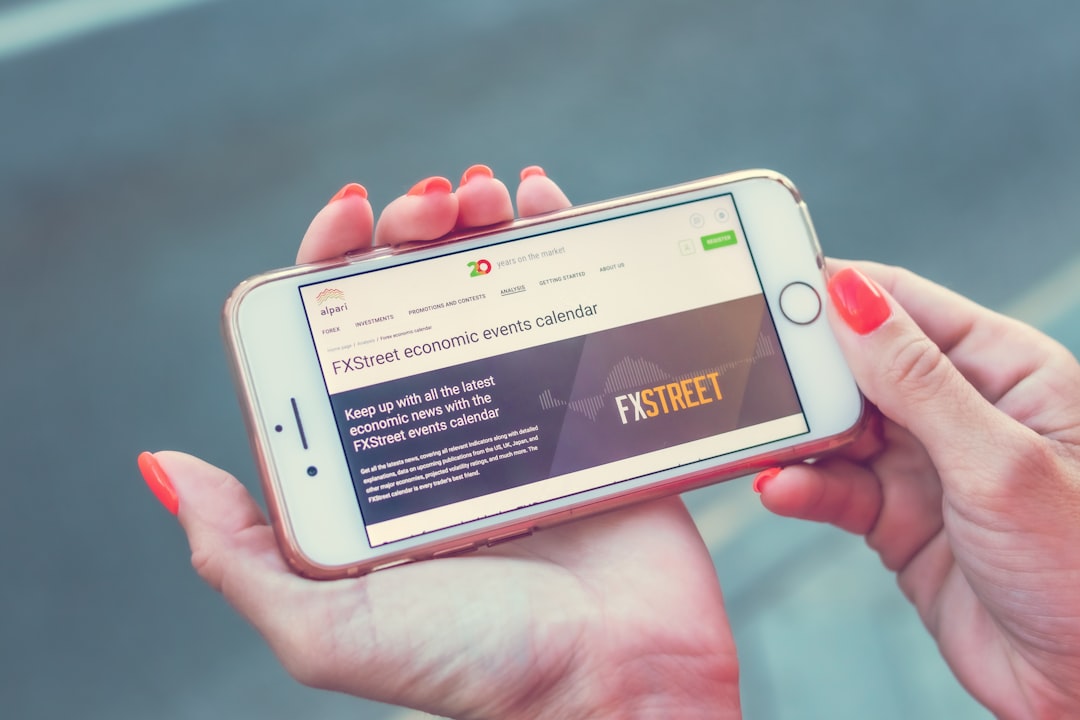
Many subscribers read emails on mobile devices, often while multitasking. A newsletter that is visually cluttered, slow to load, or difficult to scan may lose readers quickly. Clean design improves comprehension and encourages clicks.
Effective newsletter design often includes short paragraphs, clear headings, visible calls to action, and plenty of white space. Images should support the message rather than distract from it. Buttons should be easy to tap, and important information should appear near the top.
- Use a single primary call to action when possible.
- Keep paragraphs brief and easy to scan.
- Make buttons large enough for mobile users.
- Test emails across devices and email clients.
6. Maintain a Consistent Sending Schedule
Consistency helps build habit. If subscribers know when to expect a newsletter, they are more likely to look for it and engage with it. A brand does not need to send daily emails unless it can sustain quality and relevance. In many cases, a weekly, biweekly, or monthly schedule is more effective.
The right frequency depends on audience expectations and content quality. Sending too often can increase unsubscribes, while sending too rarely can make subscribers forget why they signed up. A preference center can help readers choose how often they want to hear from the brand.
7. Encourage Interaction and Two-Way Communication
Email engagement is not limited to clicks. Replies, surveys, polls, and feedback links can help build a stronger relationship. When subscribers feel heard, they are more likely to remain connected.
A brand may ask readers to vote on future topics, share challenges, or answer a quick one-question survey. These small interactions provide valuable insights for future content planning. They also remind subscribers that there are real people behind the newsletter.
Simple engagement prompts might include:
- “What topic should be covered next?”
- “Was this guide helpful?”
- “Which option best describes the subscriber’s current challenge?”
8. Measure Performance and Improve Continuously
No newsletter strategy should remain static. Performance data reveals what subscribers actually value. Open rates, click-through rates, conversion rates, unsubscribe rates, spam complaints, and reply rates all provide useful clues.
However, a brand should avoid focusing on one metric alone. A high open rate means little if readers do not click or take meaningful action. Similarly, a smaller but highly engaged list may be more valuable than a large inactive audience. Regular testing helps identify what works best.

A/B testing can be used for subject lines, send times, calls to action, layout, and content formats. Over time, these small improvements can significantly increase engagement and retention. The strongest newsletter programs treat every campaign as a learning opportunity.
Retention Depends on Trust
Subscriber retention is built through repeated positive experiences. A brand that respects inbox space, provides relevant information, and communicates clearly earns long-term attention. Trust can be strengthened through honest subject lines, easy unsubscribe options, privacy-conscious personalization, and dependable content quality.
Ultimately, smart newsletters are not about sending more emails. They are about sending better emails. When subscribers feel that a newsletter understands their interests and respects their time, they are far more likely to stay engaged.
FAQ
How often should a brand send a newsletter?
The ideal frequency depends on the audience and the quality of available content. Many brands perform well with weekly or biweekly newsletters, while others may benefit from monthly updates. The most important factor is maintaining consistency without overwhelming subscribers.
What is the best way to reduce unsubscribes?
A brand can reduce unsubscribes by sending relevant content, segmenting the audience, avoiding excessive promotions, and offering frequency preferences. Clear expectations at signup also help subscribers understand what they will receive.
Why are subscribers not opening newsletters?
Low open rates may result from weak subject lines, poor timing, irrelevant content, or list fatigue. Testing subject lines, improving segmentation, and cleaning inactive subscribers can help improve performance.
Should every newsletter include a sales offer?
No. While promotional emails can be effective, every newsletter should not feel like a sales pitch. Educational, helpful, or entertaining content often builds stronger long-term loyalty and makes future offers more effective.
How can a brand know if its newsletter strategy is working?
A brand should review open rates, click-through rates, conversions, replies, unsubscribes, and long-term subscriber activity. Strong performance usually shows a combination of engagement, retention, and meaningful business outcomes.