
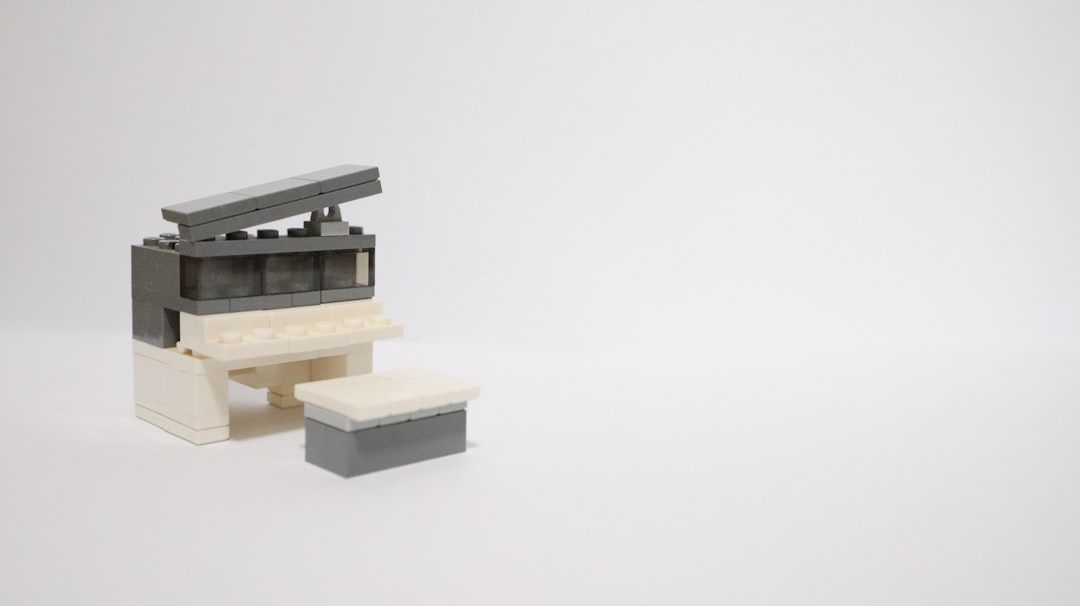
Building your first Lego DaVinci model is a rewarding experience that combines the intricacies of history, the clarity of engineering, and the joy of hands-on creation. Whether you’re a long-time Lego enthusiast or a curious newcomer fascinated by Leonardo da Vinci’s ingenious inventions, this guide will provide you with the structured steps you need to complete your very first DaVinci-inspired project with confidence.
Table of Contents
TLDR
Creating a Lego DaVinci model is a satisfying project that marries the genius of Leonardo da Vinci with the precision and versatility of Lego bricks. Begin by choosing a model, organizing your parts, and studying both the instructions and mechanical principles. Follow a structured step-by-step method, and don’t rush—understanding the mechanics will elevate your final result. Finally, display your work with pride as both a historical replica and a functional piece of mechanical design.
Step 1: Choose the Right DaVinci Model
The first thing you need to do is select a model from Leonardo da Vinci’s array of mechanical inventions. Lego offers official kits based on his designs, or you can find community-made instructions from reputable platforms like Rebrickable. Some great beginner DaVinci models include:
- The Aerial Screw — A prototype helicopter design using rotational lift.
- The Ornithopter — A flying machine that mimics bird flight.
- The Self-Propelled Cart — One of the earliest concepts in automotive engineering.
For your first build, we recommend starting with The Self-Propelled Cart. It features working gears and springs, but remains manageable for builders with moderate Lego experience.
Step 2: Obtain and Prepare Your Lego Parts
Once you’ve chosen your model, it’s time to gather your bricks. If you’re using a pre-packaged Lego kit, double-check the inventory before you begin. If you’re sourcing parts on your own, use a parts list and the BrickLink marketplace to track down what you need.
Before building, it helps to:
- Sort pieces by color and size — This improves efficiency during the build.
- Clean any used bricks — Dust and debris can affect mechanical parts.
- Review spare parts — Make sure you have extras of gears, axles, and connectors.
Taking the time to organize parts will make the build more enjoyable and help you avoid frustration.
Step 3: Study the Instructions Thoroughly
Unlike standard Lego sets, many DaVinci models rely on mechanical principles that may not be intuitive. Spend some time reviewing the entire instruction manual before placing your first brick. This will help you understand:
- How the mechanical system flows — e.g., from tension springs to kinetic energy.
- Where critical axles and pins are placed — Axle misalignment can ruin functionality.
- Gear ratios and their purposes — Understand how force travels through various components.
This step may feel tedious, but it lays the intellectual groundwork for an accurate and functional model.
Step 4: Begin the Build — Foundation First
Every strong creation begins with a solid base. In DaVinci models, the foundation often includes gear housings, motor cradles, or spring coils.
Follow these core building principles:
- Double-check alignment as you go — One loose pin can compromise the mechanism.
- Avoid over-tightening pieces — Lego Technic elements are precise; forcing them may damage parts.
- Test rotational components progressively — Spin gears and rotate axles before sealing sections.
By laying a strong, accurate foundation, you increase both structural and functional integrity. Remember, once you obscure internal pieces with casing or external shells, they’re difficult to fix.
Step 5: Assemble the Mechanical Drive or Action
DaVinci’s genius lies in the mechanical operations of his designs. In this step, you’ll build the core mechanical motion—whether it’s the rotor of the Aerial Screw or the spring-loaded propulsion of the Cart.
Key areas to focus on include:
- Correct gear meshing — Ensure teeth align perfectly for smooth movement.
- Tension systems — Some devices use band springs, which must be calibrated correctly.
- Load tests — After installation, test the mechanism before proceeding to coverings or shells.
If your build involves rubber bands, Lego strings, or third-party springs, measure exact lengths based on builder notes. Inconsistency here leads to motion errors.
Step 6: Final Assembly and Aesthetic Detailing
Mechanical functionality is the heart, but visual accuracy is the soul of a DaVinci-inspired Lego model. Use neutral and earth-tone bricks to stay true to the Renaissance aesthetic.
During final assembly, you’ll:
- Apply external coverings — Panels or plates that enclose internal mechanisms.
- Add aesthetic elements — Ropes, sails, wings, or wooden textures.
- Insert decals if included — Some kits come with parchment-style prints or Leonardo’s sketches.
Take your time during this stage. Each panel or final touch adds value, visual appeal, and historical authenticity to your build.
Step 7: Conduct Functionality Tests
Once your model is complete, it’s time to make sure it works as intended. Unlike decorative builds, a DaVinci model should demonstrate movement or mimic a physical principle.
Here’s how to validate your model:
- Perform slow-motion manual tests — Turn gears or crank manually to observe mechanics.
- Load and release tension features carefully — Springs or counterweights must be secure.
- Check for consistent movement — Any grinding or hesitation indicates a misalignment.
These tests not only prevent damage but deepen your appreciation for the layered brilliance of da Vinci’s thinking.
Step 8: Display and Preserve
You’ve completed your first Lego DaVinci build — congratulations! Now, it deserves a fitting presentation.
We suggest the following for display:
- Use an acrylic case — Protects from dust and accidental contact.
- Add a title plaque — Briefly describe the historical context and function.
- Consider lighting positions — Well-lit models showcase intricate mechanisms.
For educational purposes or if shared in a community group, prepare a short video or write-up of your building process.
Additional Tips for Success
Here are a few bonus tips, especially helpful for first-time DaVinci builders:
- Watch tutorials or time-lapses — Visual aids can clarify complex steps more effectively than text.
- Join online Lego forums — Platforms like Eurobricks and Reddit’s r/lego offer great troubleshooting help.
- Study historical sources — Da Vinci’s original manuscripts can offer insight into function over form.
Conclusion
Completing a Lego DaVinci model isn’t just about bricks — it’s about understanding mechanisms, respecting historical innovation, and practicing patience. As you lay down each gear and axle, you walk in the footsteps of one of history’s greatest minds. With your first DaVinci build now complete, you are well on your way to exploring even more intricate and inspiring models in the future.
Keep building, keep learning — and remember, every great invention begins with curiosity.