

Modern veterinary practices operate in an environment that demands precision, speed, and compassionate care—all at once. From managing packed appointment schedules to maintaining accurate patient histories and ensuring regulatory compliance, today’s clinics face significant operational complexity. Veterinary practice management apps like ezyVet have emerged as critical tools for streamlining workflows, improving client communication, and safeguarding patient records in a secure digital environment.
TLDR: Veterinary practice management apps such as ezyVet help clinics centralize appointments, billing, diagnostics, and patient records into one integrated system. These platforms reduce administrative errors, improve efficiency, and enhance clinical decision-making. With cloud-based access and automation features, veterinary teams can deliver better patient care while maintaining operational control. Choosing the right software depends on clinic size, specialty, and integration needs.
Table of Contents
The Growing Complexity of Veterinary Practice Management
Veterinary medicine has evolved significantly over the past decade. Clinics now offer advanced diagnostics, surgical procedures, preventive care plans, and telemedicine services. While these advancements improve patient outcomes, they also increase administrative demands.
Traditional paper-based systems or outdated software often create bottlenecks, including:
- Scheduling conflicts and double bookings
- Incomplete or misplaced patient records
- Billing errors and delayed invoicing
- Poor communication between staff members
- Difficulty tracking inventory and medications
Veterinary practice management apps address these issues by consolidating workflows into a single, user-friendly platform.
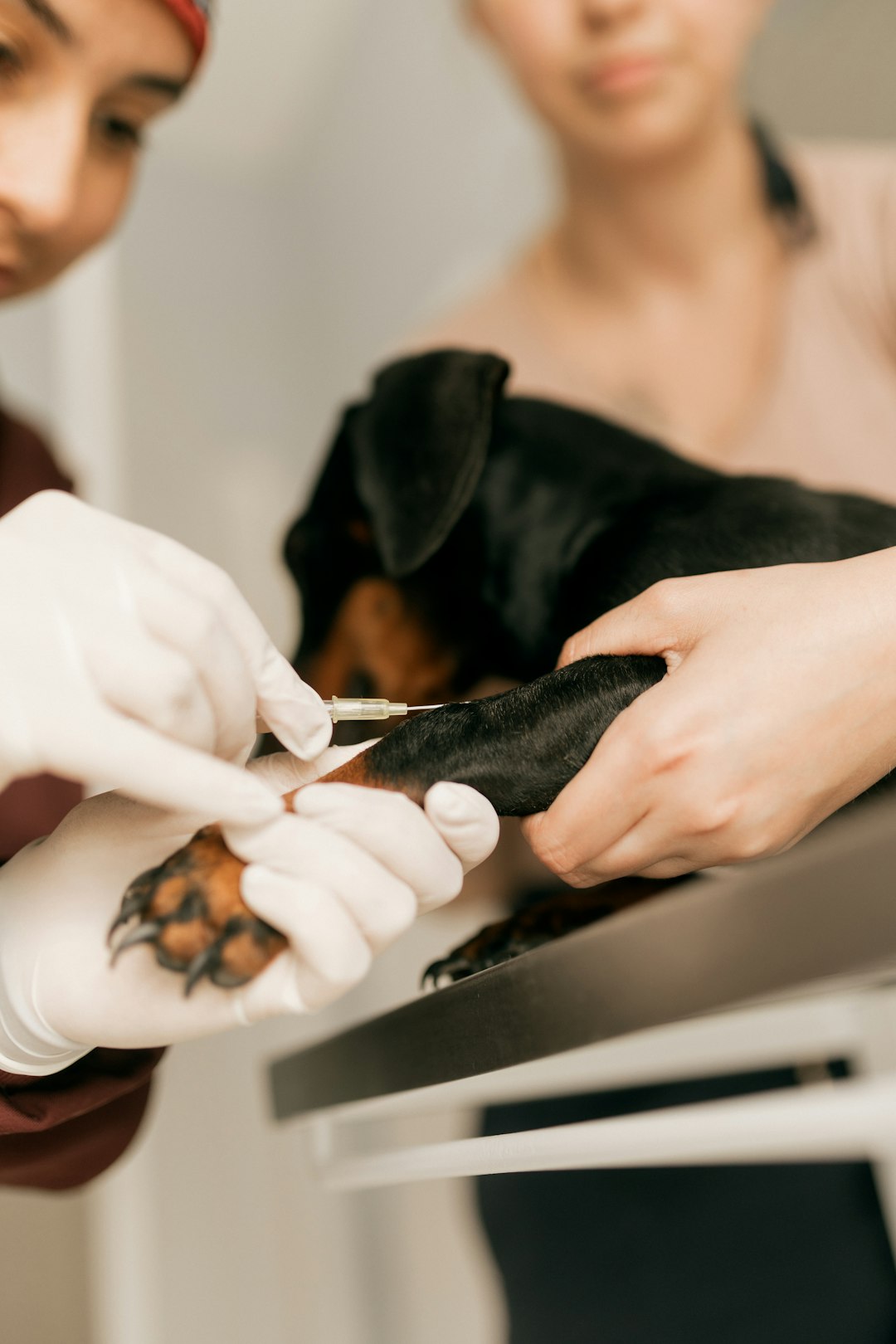
What Are Veterinary Practice Management Apps?
Veterinary practice management software (PIMS) is a digital system designed to oversee the operational and clinical components of an animal healthcare facility. Platforms like ezyVet provide a centralized database where veterinarians and support staff can manage:
- Appointment scheduling
- Electronic medical records (EMR)
- Billing and invoicing
- Inventory management
- Diagnostic integrations
- Client communications
Most modern systems are cloud-based, meaning data can be accessed securely from multiple locations. This flexibility is especially valuable for multi-location practices and mobile veterinary services.
How ezyVet Streamlines Appointments
Efficient scheduling is foundational to a veterinary clinic’s success. Systems like ezyVet incorporate intelligent calendar tools that reduce manual scheduling conflicts and allow real-time updates.
Key appointment features typically include:
- Color-coded calendars for veterinarians and technicians
- Automated reminders via email and SMS
- Online booking portals for clients
- Waitlist management
- Recurring appointment scheduling for vaccinations and chronic care
Automated reminders alone can dramatically reduce no-shows, improving revenue stability while ensuring animals receive timely care. Integration with patient records further ensures that each visit is informed by up-to-date medical history.
Centralized and Secure Patient Records
Accurate patient documentation is essential in veterinary medicine. Electronic medical records eliminate many of the risks associated with paper files, such as illegibility or physical loss.
Modern systems allow practitioners to:
- Upload diagnostic images and lab results
- Document treatment plans and clinical notes in structured templates
- Track vaccination and medication histories
- Attach consent forms and client communications
Cloud-based platforms typically include encrypted storage and role-based access control, which enhances data security and regulatory compliance. For practices operating across multiple branches, centralized records ensure continuity of care regardless of where the patient is seen.
Image not found in postmetaIntegration with Diagnostics and Laboratory Equipment
One of the defining strengths of platforms like ezyVet is their ability to integrate with diagnostic tools and third-party applications. Lab machines, imaging systems, and reference laboratories can connect directly to the software, automatically uploading results to the patient’s file.
This integration:
- Reduces manual data entry errors
- Accelerates turnaround times
- Improves diagnostic accuracy
- Creates more comprehensive patient histories
Such interoperability strengthens clinical confidence and helps veterinarians make informed treatment decisions quickly.
Financial Management and Billing Automation
Financial oversight is another area where veterinary practice management apps deliver measurable impact. Billing errors and delayed invoicing can undermine profitability and client trust.
Common financial features include:
- Automated invoicing tied to treatment codes
- Integrated payment processing
- Insurance claim management
- Financial reporting dashboards
- Inventory cost tracking
By linking treatments directly to invoices, these platforms reduce missed charges. Detailed reporting tools also allow practice owners to assess performance, monitor revenue trends, and make informed business decisions.
Client Communication and Engagement
Today’s pet owners expect convenient communication and transparent information. Veterinary apps increasingly include client-facing portals that allow pet owners to:
- Access vaccination records
- Request appointment changes
- Receive prescription updates
- View invoices and make payments online
Strong communication tools foster loyalty and improve adherence to treatment plans. Automated reminders for vaccinations, follow-ups, and preventive care significantly increase compliance rates.
Comparison of Leading Veterinary Practice Management Apps
While ezyVet remains a prominent choice, several other solutions serve veterinary clinics. Below is a simplified comparison chart highlighting key capabilities.
| Feature | ezyVet | Cornerstone | AviMark | Provet Cloud |
|---|---|---|---|---|
| Cloud Based | Yes | Limited | No | Yes |
| Multi Location Support | Strong | Moderate | Limited | Strong |
| Diagnostic Integration | Extensive | Extensive | Moderate | Extensive |
| Client Portal | Available | Available | Basic | Available |
| Advanced Reporting | Yes | Yes | Limited | Yes |
Note: The best choice varies depending on clinic size, specialty focus, and budget. A thorough needs assessment is recommended before implementation.
Implementation Considerations
Adopting a new management platform is a significant investment. Veterinary practices should evaluate several factors before choosing a system:
- Scalability: Can the software grow with the clinic?
- Training and onboarding: Is adequate support provided?
- Data migration: How securely and efficiently will existing records be transferred?
- Compliance requirements: Does the system meet regional data protection standards?
- Cost structure: Are fees subscription-based or license-based?
Resistance to change is common when introducing new technology. Clear communication, structured training sessions, and phased rollouts can smooth the transition for staff members.

Benefits for Multi Location and Specialty Practices
Larger veterinary groups and specialty hospitals often manage high patient volumes and complex cases. Practice management apps allow centralized oversight across branches, providing consistent reporting and standardized workflows.
Specialty practices benefit from:
- Customizable templates for surgery, dermatology, dentistry, or cardiology
- Structured treatment protocols
- Advanced analytics for case outcomes
These features support both medical excellence and operational efficiency.
The Role of Data Analytics in Modern Veterinary Care
Beyond day-to-day management, veterinary software platforms increasingly provide data analytics tools. These tools help clinics monitor:
- Revenue per veterinarian
- Appointment utilization rates
- Inventory turnover
- Client retention metrics
Access to reliable data allows leadership teams to identify inefficiencies, adjust staffing levels, and optimize marketing efforts. Over time, analytics contribute to sustainable growth and measurable performance improvements.
Security and Compliance Standards
Even though veterinary records are not governed by the same frameworks as human healthcare records in many countries, data protection remains a serious responsibility. Reputable platforms employ:
- Encrypted cloud storage
- Regular system backups
- Role-based permissions
- Audit trails for record modifications
Secure infrastructure protects both the practice and its clients against data breaches and operational disruptions.
Looking Ahead: The Future of Veterinary Management Software
The next generation of veterinary practice management tools is expected to incorporate artificial intelligence, predictive analytics, and deeper telemedicine integration. Automated triage tools, AI-assisted diagnostics, and enhanced mobile functionality are already emerging.
As technology evolves, software platforms will likely become even more central to veterinary operations—serving as the backbone for clinical decisions, financial management, and client relationships.
Conclusion
Veterinary practice management apps like ezyVet represent a significant advancement in how clinics organize appointments, maintain patient records, and manage financial operations. By centralizing critical workflows into an integrated digital system, these platforms reduce administrative burden while improving clinical accuracy and client satisfaction.
For modern veterinary practices seeking operational resilience and scalable growth, investing in a comprehensive management solution is no longer optional—it is a strategic necessity. Careful evaluation, structured implementation, and ongoing training ensure that the software serves not only as a tool for recordkeeping but as a foundation for excellence in animal healthcare.