
In painting, decorating, and surface protection, the phrase “peel as paint” usually refers to a coating that is applied like regular paint but can later be removed by peeling it away from the surface. It is often associated with peelable paint, temporary coatings, or removable protective films. Instead of becoming a permanent layer, this type of coating forms a flexible film that can be lifted and pulled off when it is no longer needed.
TLDR: Peel as paint means a paint-like coating that can be peeled off after it dries. It is commonly used for temporary color changes, surface protection, masking, crafts, automotive styling, and rental-friendly decorating. Unlike standard paint, it is designed to be removable without major scraping, sanding, or repainting. Its success depends on proper surface preparation, application thickness, drying time, and the type of surface underneath.
Table of Contents
Understanding the Meaning of “Peel as Paint”
The expression “peel as paint” is not always used as a formal industry term, but it describes a recognizable idea: a coating that behaves like paint during application and like a removable film during removal. It may be brushed, rolled, sprayed, or dipped onto a surface. Once dry, it creates a skin-like layer that can be peeled away in sheets or strips.
Traditional paint is meant to bond tightly to a surface. It becomes part of the finish and is usually removed only by sanding, scraping, chemical stripping, or painting over it. Peelable paint is different. It is formulated to sit on the surface with enough grip to stay in place, but not so much grip that removal becomes destructive.
This makes peelable paint useful when a person or business wants temporary change rather than a permanent finish. It can protect a surface during construction, change the appearance of a vehicle, add temporary branding, test color ideas, or create removable designs on glass, plastic, metal, or other suitable materials.
How Peelable Paint Works
Peelable paint works by forming a continuous flexible layer after it dries or cures. The material often includes polymers, rubber-like compounds, latex-based ingredients, or specialty resins. These ingredients help the coating stretch slightly and remain intact when someone pulls it away from the surface.
The coating must be applied thick enough to remove cleanly. When it is too thin, it may tear into small pieces, making removal frustrating. When it is applied correctly, the dried film has enough strength to come off in larger sections.
Image not found in postmeta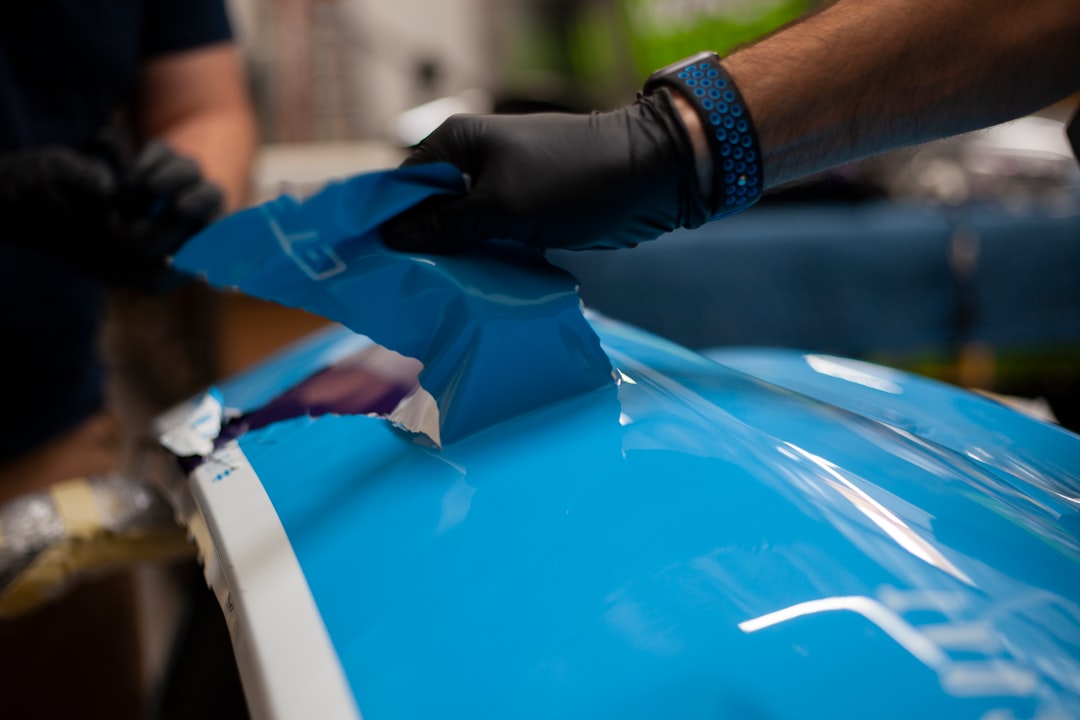
The surface underneath also matters. Smooth, non-porous surfaces such as glass, sealed metal, and certain plastics often allow cleaner peeling. Porous surfaces such as raw wood, unsealed drywall, brick, or fabric may absorb the coating, which can make removal harder or uneven. For that reason, peelable coatings are usually recommended for surfaces that are clean, dry, sealed, and compatible with the product.
Common Uses of Peel as Paint Products
Peelable paint is used in many settings because it offers a balance between appearance and removability. It can act as decoration, protection, masking, or testing material.
- Automotive styling: Vehicle owners may use peelable coatings to change the color of rims, badges, trim, mirrors, or even entire car panels without committing to permanent paint.
- Surface protection: Contractors may apply peelable coatings to windows, countertops, flooring, or fixtures to protect them from dust, overspray, scratches, or construction debris.
- Temporary decorating: Renters, event planners, and retailers may use peelable coatings for short-term color, graphics, or seasonal displays.
- Craft and design projects: Artists and hobbyists may use removable coatings to create stencils, patterns, or layered effects.
- Masking applications: Peelable products can protect areas that should not receive permanent paint, similar to masking tape but over larger or irregular surfaces.
In each of these cases, the main benefit is the same: the coating can be used for a period of time and then removed with less effort than traditional paint.
How It Differs from Regular Paint
Although peelable paint may look like regular paint once it is dry, it is designed with a different purpose. Regular paint focuses on adhesion, durability, color retention, and long-term protection. It is made to resist peeling. Peelable paint, by contrast, must stick well enough to function while also allowing intentional removal.
This difference affects performance. A permanent paint may be better for walls, furniture, exterior trim, or any surface that needs years of wear resistance. Peelable paint is better when reversibility is important. It is not usually the best choice for surfaces that experience constant rubbing, heavy abrasion, harsh chemicals, or long-term weather exposure unless the product is specifically rated for those conditions.
Another key difference is preparation. Permanent paint often requires sanding, priming, and careful bonding. Peelable paint generally requires the surface to be clean but may not require aggressive sanding, because too much surface roughness can make peeling more difficult. The goal is controlled adhesion rather than maximum adhesion.
Benefits of Peelable Paint
The popularity of peelable coatings comes from their convenience and flexibility. When used correctly, they provide several advantages.
- Temporary transformation: A surface can be given a new color or finish without a long-term commitment.
- Easy removal: The coating can often be pulled off by hand, especially when applied in the recommended thickness.
- Reduced damage risk: On compatible surfaces, removal may cause less damage than scraping or chemical stripping.
- Protection: It can shield surfaces during painting, remodeling, transportation, or storage.
- Creative freedom: Designers can experiment with colors, patterns, or textures before choosing a permanent finish.
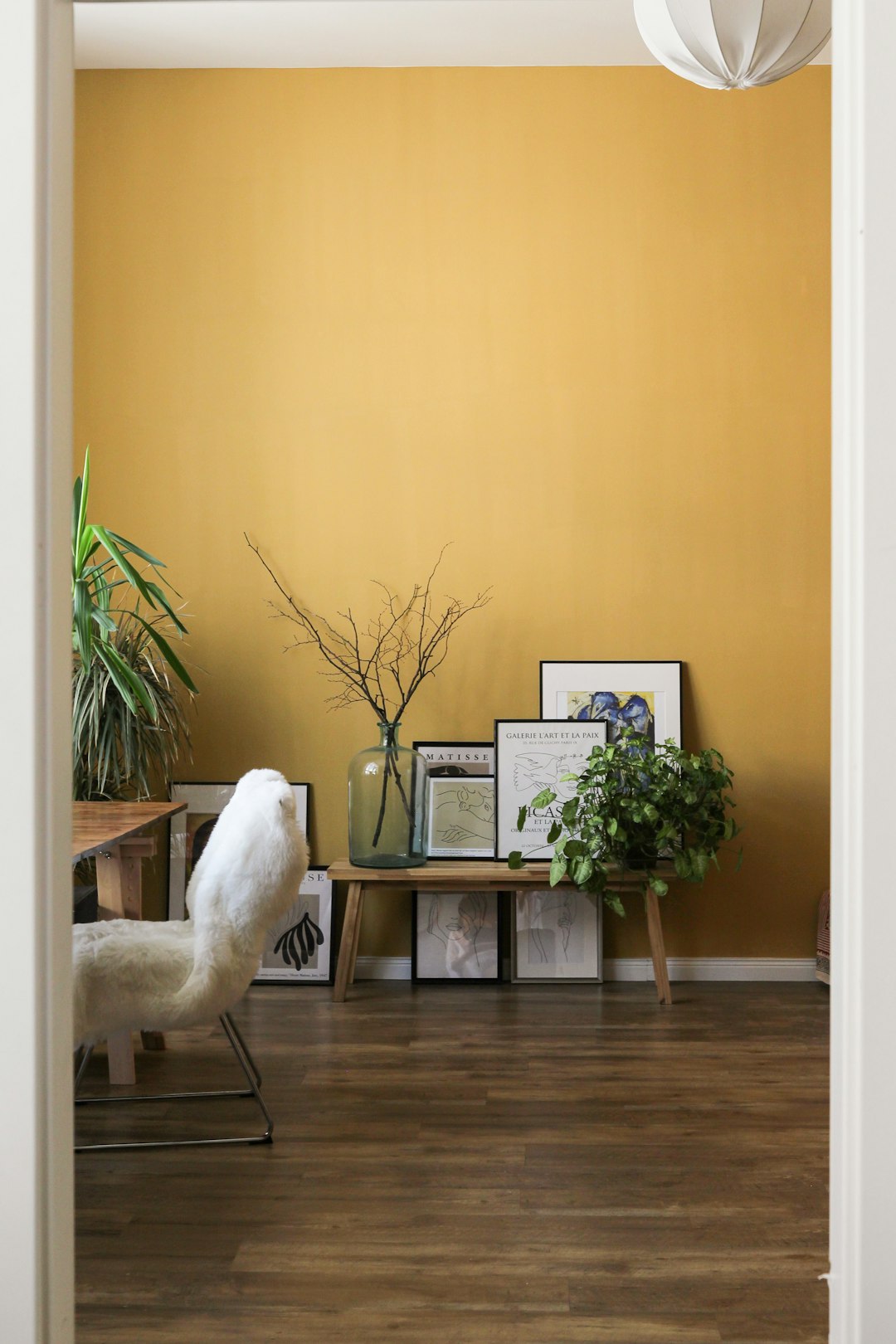
For renters, this concept can be especially appealing. A person may want a different look without violating lease agreements or permanently changing the property. However, it is still important to test the product first, because not every removable coating is safe for every painted wall or finish.
Limitations and Possible Problems
Although peelable paint can be useful, it is not perfect. One common issue is poor removal. If the coating is applied too thinly, it may break apart during peeling. If it is applied over a rough or porous surface, it may cling too strongly or leave residue.
Another issue is durability. Because the coating is designed to be removable, it may not withstand the same level of wear as permanent paint. Edges can lift if they are rubbed frequently or exposed to pressure washing, sharp objects, oils, or extreme weather. In outdoor applications, sunlight and temperature changes may also affect how easily the coating peels later.
Color transfer or staining is another risk, especially on delicate surfaces. Dark peelable coatings used over light paint, unsealed finishes, or older surfaces may leave marks. Product instructions often recommend testing in a small hidden area before full application.
Finally, not all products marketed as removable are equally easy to remove. Quality, formula, age, surface type, and application method all influence the result. A coating that peels beautifully from glass might not peel cleanly from textured drywall.
Best Practices for Applying Peelable Paint
To get the best result, the surface should be prepared carefully. It should be free of dust, oil, wax, moisture, and loose material. Any residue can interfere with the coating and lead to weak spots, bubbles, or uneven peeling.
Application thickness is one of the most important details. Many peelable coatings work better with multiple coats rather than one thin layer. Each coat may need time to dry before the next one is added. A thicker continuous film is generally easier to remove because it has more strength when pulled.
Edges should also be planned. If a clean border is needed, masking tape may be used, but it should usually be removed at the right time according to product directions. Waiting too long can cause the film to bridge over the tape and tear unevenly.
Environmental conditions matter as well. Very cold, hot, or humid conditions can affect drying and bonding. A controlled environment often produces a smoother finish and better removability.
How to Remove Peelable Paint
Removal usually begins at an edge or corner. The person removing it lifts a small section with a fingernail, plastic scraper, or other non-damaging tool. Once a flap is created, the film can be pulled slowly at a low angle. Pulling too fast may cause tearing, while steady pressure helps the coating come away in larger pieces.
Image not found in postmeta
If the coating breaks, the remover can start again from another edge. For stubborn residue, the product manufacturer may recommend warm water, mild soap, or a compatible cleaner. Harsh solvents should not be used unless the instructions specifically allow them, because they may damage the original surface.
When removal is difficult, the cause is often one of three things: the layer was too thin, the surface was too porous, or the coating stayed in place longer than recommended. Reading the product guidance before application can prevent many of these problems.
Peel as Paint vs. Peeling Paint
It is important not to confuse “peel as paint” with ordinary paint that is peeling because of damage or failure. Peeling regular paint is a problem. It can happen because of moisture, poor preparation, old paint, incompatible layers, heat, or structural issues. In that case, the paint is losing adhesion unintentionally.
Peelable paint is different because peeling is part of its intended function. It is designed to be removed when desired. The key difference is control. With paint failure, the peeling is unwanted and often uneven. With peelable paint, the removal is planned and ideally clean.
Where Peelable Paint Makes the Most Sense
Peelable paint makes the most sense where a surface needs short-term color, temporary protection, or reversible customization. It is especially useful for smooth surfaces, display materials, vehicle accessories, glass panels, sealed fixtures, and short-term creative projects.
It may not be the best choice for permanent home painting, heavily used floors, rough masonry, unfinished wood, or surfaces with fragile existing paint. In these cases, a traditional coating, protective film, primer, or professional-grade finish may be more appropriate.
Ultimately, the phrase “peel as paint” describes a practical middle ground between paint and removable film. It offers the look and coverage of a coating while preserving the option to reverse the change. When selected carefully and applied properly, it can be a smart solution for temporary style, protection, and experimentation.
FAQ
What does “peel as paint” mean?
It means a coating that is applied like paint but can later be removed by peeling it away. It is commonly called peelable paint or a removable coating.
Is peelable paint the same as regular paint?
No. Regular paint is designed to bond permanently, while peelable paint is designed to form a removable film. It may look similar once dry, but it serves a different purpose.
Does peelable paint damage surfaces?
It usually should not damage compatible surfaces when applied and removed correctly. However, delicate, porous, poorly painted, or unsealed surfaces may be at risk, so a small test area is recommended.
How long does peelable paint last?
Its lifespan depends on the product, surface, thickness, and environment. Some coatings are intended for short-term protection, while others can remain in place for months or longer if conditions are suitable.
Why is peelable paint hard to remove sometimes?
It may be hard to remove if it was applied too thinly, used on a rough or porous surface, exposed to harsh conditions, or left on longer than recommended.
Can peelable paint be used on walls?
It can sometimes be used on walls, but caution is needed. Painted drywall can be delicate, and removal may lift old paint if the surface is weak. Testing in a hidden area is the safest approach.
Can peelable paint be painted over?
In most cases, it is better to remove peelable paint before applying a permanent coating. Painting over it may create adhesion problems because the removable layer underneath is not meant to serve as a permanent base.
What surfaces work best with peelable paint?
Smooth, clean, sealed, and non-porous surfaces usually work best. These may include glass, metal, certain plastics, sealed countertops, and properly finished surfaces approved by the product manufacturer.