
Great SaaS products rarely succeed on functionality alone. Users need to understand the product quickly, trust it immediately, and feel that every interaction helps them get something valuable done. That is where top SaaS design agencies come in. They combine strategy, product thinking, UX research, visual design, and conversion expertise to help software companies build experiences that are not only attractive, but also usable, scalable, and commercially effective.
TLDR: Top SaaS design agencies typically offer services across product strategy, UX research, UI design, branding, design systems, website design, conversion optimization, and ongoing product improvement. Their work often supports every stage of a SaaS company’s growth, from validating an idea to redesigning a mature platform. The best agencies do more than make screens look polished; they help align the product experience with user needs and business goals. In short, they design the systems, interfaces, and user journeys that help SaaS products grow.
Table of Contents
1. Product Strategy and Discovery
Before a top SaaS design agency opens a design tool, it usually starts with strategy. This phase is about understanding the product, the market, the users, and the business model. SaaS products are rarely simple; they often involve multiple user roles, recurring revenue models, onboarding flows, dashboards, billing settings, admin panels, and complex workflows. A strong discovery process prevents teams from designing based on assumptions.
During product strategy, agencies may run stakeholder workshops, analyze competitors, review existing analytics, map business goals, and define product priorities. The outcome is often a clear product direction: who the product is for, what problem it solves, how users should experience it, and which features matter most.
- Stakeholder interviews to understand business objectives and internal challenges
- Competitive analysis to identify positioning gaps and design opportunities
- Product audits to evaluate existing usability, branding, and conversion issues
- Roadmap recommendations to prioritize what should be designed or improved first
This phase is especially valuable for early-stage SaaS startups that need clarity before investing heavily in development.
2. User Research and Customer Journey Mapping
Top SaaS agencies usually place a strong emphasis on UX research. SaaS products depend on long-term user engagement, so understanding customer behavior is essential. Instead of designing around what a company thinks users want, agencies investigate what users actually need, where they struggle, and what motivates them to keep using the product.
Research may include user interviews, surveys, usability testing, persona development, support ticket analysis, session recordings, and customer journey mapping. The agency may also study different user segments, such as free trial users, paying customers, administrators, enterprise buyers, and end users.
Customer journey mapping is particularly important in SaaS because the experience does not end after signup. A user might discover the product through a landing page, start a trial, complete onboarding, invite teammates, use core features, upgrade a plan, contact support, and renew months later. Each of these moments affects retention and revenue.
3. UX Design and Information Architecture
User experience design is one of the most important services SaaS design agencies offer. UX design focuses on how the product works: how users navigate, complete tasks, find information, and move from one step to another. For SaaS platforms, good UX can directly influence activation, retention, support costs, and customer satisfaction.
Agencies often begin by creating information architecture, which organizes the structure of the product. This includes menus, navigation systems, settings, dashboards, content hierarchy, and user flows. If a SaaS product has grown over time, its structure may become cluttered or confusing. A UX agency can simplify the experience and make the product feel more intuitive.
Common UX deliverables include:
- User flows that show how people move through key tasks
- Wireframes that outline layout and functionality without visual polish
- Navigation models for dashboards, sidebars, account areas, and admin zones
- Feature workflows for complex product actions
- Interaction logic for forms, filters, tables, permissions, and notifications
A well-designed UX reduces friction. When users can quickly understand what to do next, they are more likely to experience the product’s value and less likely to abandon it.
4. UI Design and Visual Product Design
Once the UX foundation is established, agencies move into UI design, or user interface design. This is where the product’s screens become visually refined. UI design includes typography, color, spacing, icons, buttons, forms, cards, tables, charts, modals, and all the visual components that users interact with.
For SaaS products, UI design is not just about aesthetics. It must support clarity, speed, accessibility, and repeated use. A beautiful interface that hides important actions or overwhelms users with decorative elements will not perform well. Top agencies know how to balance visual appeal with usability.
They may design:
- Dashboards with clear data visualization
- Account and settings pages
- Subscription and billing interfaces
- Team management and permission screens
- Reports, analytics, and notification centers
- Mobile or responsive SaaS interfaces
The goal is to create a product that feels modern, trustworthy, and easy to use, while also reflecting the company’s brand identity.
5. SaaS Branding and Visual Identity
Many SaaS design agencies also offer branding services. This is especially common for startups preparing to launch or established products that need a refresh. In a crowded software market, branding helps a SaaS company communicate what it stands for and why customers should trust it.
Branding may include logo refinement, color palettes, typography systems, icon styles, illustration direction, tone of voice, messaging hierarchy, and brand guidelines. For SaaS companies, branding needs to work across multiple touchpoints: the marketing website, product interface, onboarding emails, sales decks, help center, ads, social content, and investor materials.
A strong SaaS brand is not just memorable; it makes the product feel credible before a user even starts a trial.
6. Marketing Website and Landing Page Design
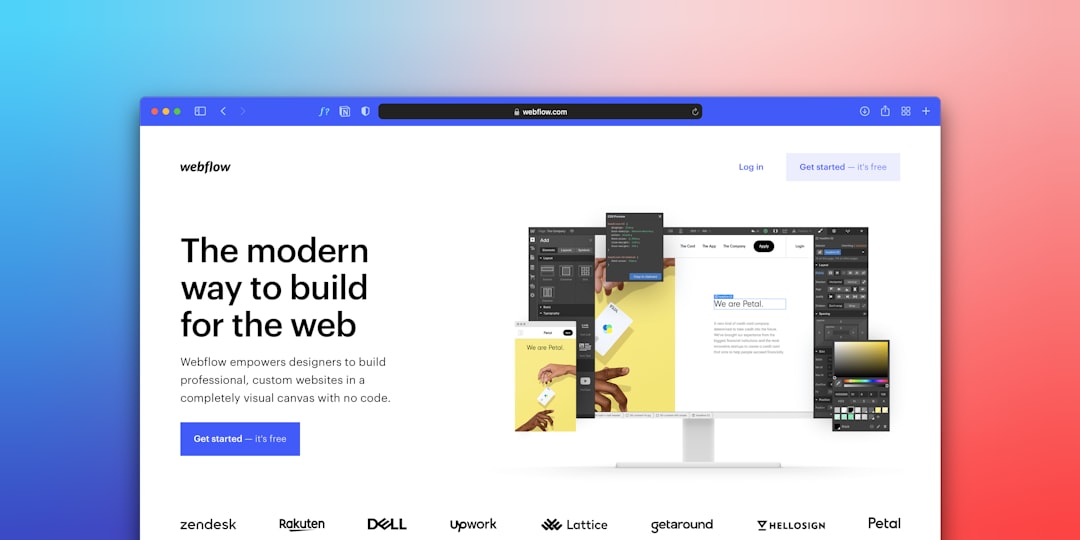
A SaaS company’s website is often its most important sales asset. Top SaaS design agencies commonly design marketing websites, landing pages, pricing pages, product pages, and demo request flows. These pages need to explain the product quickly, build confidence, and convert visitors into leads, trials, or customers.
Unlike a standard corporate website, a SaaS website has to do a lot of work. It must communicate the product’s value proposition, address customer pain points, show features clearly, provide social proof, support SEO, explain pricing, and guide different audiences toward the right action.
Agencies may design pages such as:
- Homepage with core messaging and positioning
- Feature pages that explain specific product capabilities
- Use case pages for different industries or customer segments
- Pricing pages that reduce confusion and encourage upgrades
- Comparison pages for prospects evaluating alternatives
- Landing pages for paid campaigns, webinars, or product launches
7. Onboarding Design and Activation Optimization
In SaaS, the first few minutes after signup can determine whether a user becomes a long-term customer. That is why top agencies frequently specialize in onboarding design. Onboarding helps users understand the product, complete setup, and reach their first meaningful result as quickly as possible.
Good onboarding is not simply a welcome screen or a product tour. It may include personalized setup questions, guided checklists, empty state design, sample data, tooltips, email sequences, progress indicators, and contextual prompts. The best onboarding flows are designed around the user’s goal, not just the product’s features.
For example, a project management SaaS might guide new users to create their first workspace, invite a teammate, and add a task. An analytics platform might help users connect a data source and view their first report. Each step should move users closer to the “aha moment” where the product’s value becomes obvious.
8. Design Systems and Component Libraries
As SaaS products grow, design consistency becomes harder to maintain. Different teams may create different versions of buttons, forms, menus, and data tables. This slows down development and creates a fragmented user experience. To solve this, top SaaS design agencies often build design systems.
A design system is a structured collection of reusable components, patterns, guidelines, and rules. It helps product and engineering teams build faster while keeping the interface consistent. Design systems are especially useful for SaaS companies with large products, multiple feature teams, or rapid release cycles.
A SaaS design system may include:
- Color, typography, spacing, and grid rules
- Reusable UI components such as buttons, forms, tabs, cards, and modals
- Complex components such as data tables, filters, charts, and permission controls
- Accessibility guidelines
- Usage documentation for designers and developers
- Design tokens for scalable implementation
When done well, a design system becomes a long-term asset that improves product quality and reduces design debt.
9. Conversion Rate Optimization
Top SaaS design agencies often connect design decisions to measurable business outcomes. Conversion rate optimization, or CRO, focuses on improving the percentage of users who take a desired action, such as signing up for a trial, booking a demo, upgrading a plan, completing onboarding, or using a key feature.
CRO work may involve analyzing analytics, heatmaps, form drop-off, pricing page behavior, and funnel performance. Agencies may then recommend changes to messaging, layout, calls to action, form length, page structure, or user flows. Some agencies also support A/B testing to compare different design versions.
For SaaS companies, even small increases in conversion can have a meaningful impact because revenue is recurring. Improving trial-to-paid conversion, reducing churn, or increasing expansion revenue can significantly change growth metrics over time.
10. Prototyping and Usability Testing
Rather than handing over static screens and hoping they work, strong SaaS agencies often create interactive prototypes. These prototypes simulate how the product will behave before developers build it. They are useful for testing ideas, presenting concepts to stakeholders, and identifying problems early.
Usability testing can reveal where users hesitate, misunderstand labels, miss important buttons, or take unexpected paths. This feedback allows the design team to improve the product before expensive development work begins.
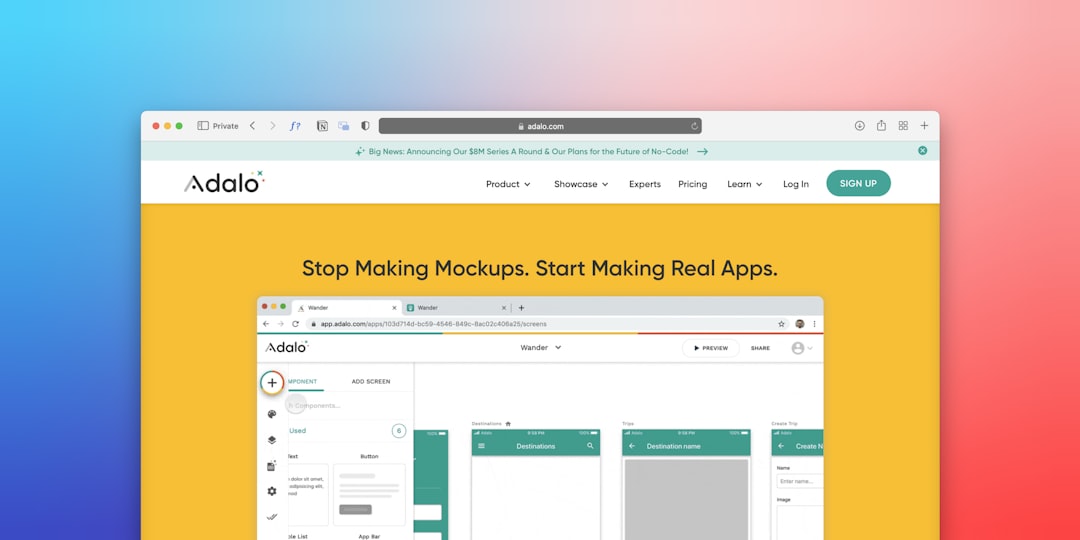
Prototyping is particularly valuable for complex SaaS workflows, such as setting permissions, building reports, configuring automations, or managing integrations. These areas often contain hidden friction that only appears when users try to complete real tasks.
11. Data Visualization and Dashboard Design
Many SaaS products rely on dashboards, analytics, reporting, and performance tracking. Top agencies often provide specialized data visualization design to make complex information easier to understand. This includes charts, tables, filters, KPIs, trend lines, comparison views, and alert systems.
Good dashboard design is about prioritization. Users should not have to decode a wall of numbers. They should be able to quickly answer questions such as: What changed? What needs attention? What action should I take next? Agencies help structure data so that it supports decision-making rather than creating confusion.
12. Development Collaboration and Handoff
Most SaaS design agencies do not work in isolation. They collaborate closely with engineering teams to ensure designs can be built efficiently. This may involve preparing detailed specifications, component documentation, responsive behavior notes, design tokens, and clickable prototypes.
Some agencies also offer front-end development, no-code implementation, or full product development through partner teams. Others focus purely on design but provide a polished handoff process that reduces ambiguity for developers.
A good handoff includes not only “what it looks like,” but also “how it should behave.” This is important for SaaS interfaces with dynamic states, permissions, loading screens, error messages, empty states, and edge cases.
13. Ongoing Product Design Support
SaaS products are never truly finished. New features, customer feedback, market shifts, and growth goals continually reshape the product. Many agencies offer ongoing design retainers or embedded product design support. This allows SaaS companies to access senior design expertise without hiring a full in-house team immediately.
Ongoing support may include feature design, UX audits, experimentation, design system maintenance, website updates, user research, and product roadmap collaboration. For fast-growing SaaS companies, this kind of partnership can help maintain momentum while keeping the user experience consistent.
What Makes a SaaS Design Agency “Top” Tier?
The best SaaS design agencies share a few traits. They understand subscription business models, not just visual design. They know how onboarding, activation, retention, and expansion affect growth. They are comfortable designing complex workflows, not only simple marketing pages. Most importantly, they can connect user needs with business outcomes.
When evaluating an agency, SaaS companies should look for evidence of strategic thinking, strong case studies, measurable results, and experience with similar product complexity. A visually impressive portfolio is helpful, but it should be backed by thoughtful UX decisions and a clear process.
Final Thoughts
Top SaaS design agencies offer much more than polished screens. They help software companies define product strategy, understand users, improve usability, build memorable brands, design high-converting websites, create scalable design systems, and optimize the entire customer journey. Their work can influence how quickly users understand a product, how often they return, and whether they are willing to pay for it month after month.
In a competitive SaaS market, thoughtful design is not a luxury. It is a growth driver, a retention tool, and a powerful way to communicate value. The right agency brings together creativity, research, product thinking, and commercial awareness to create software experiences that people actually want to use.