
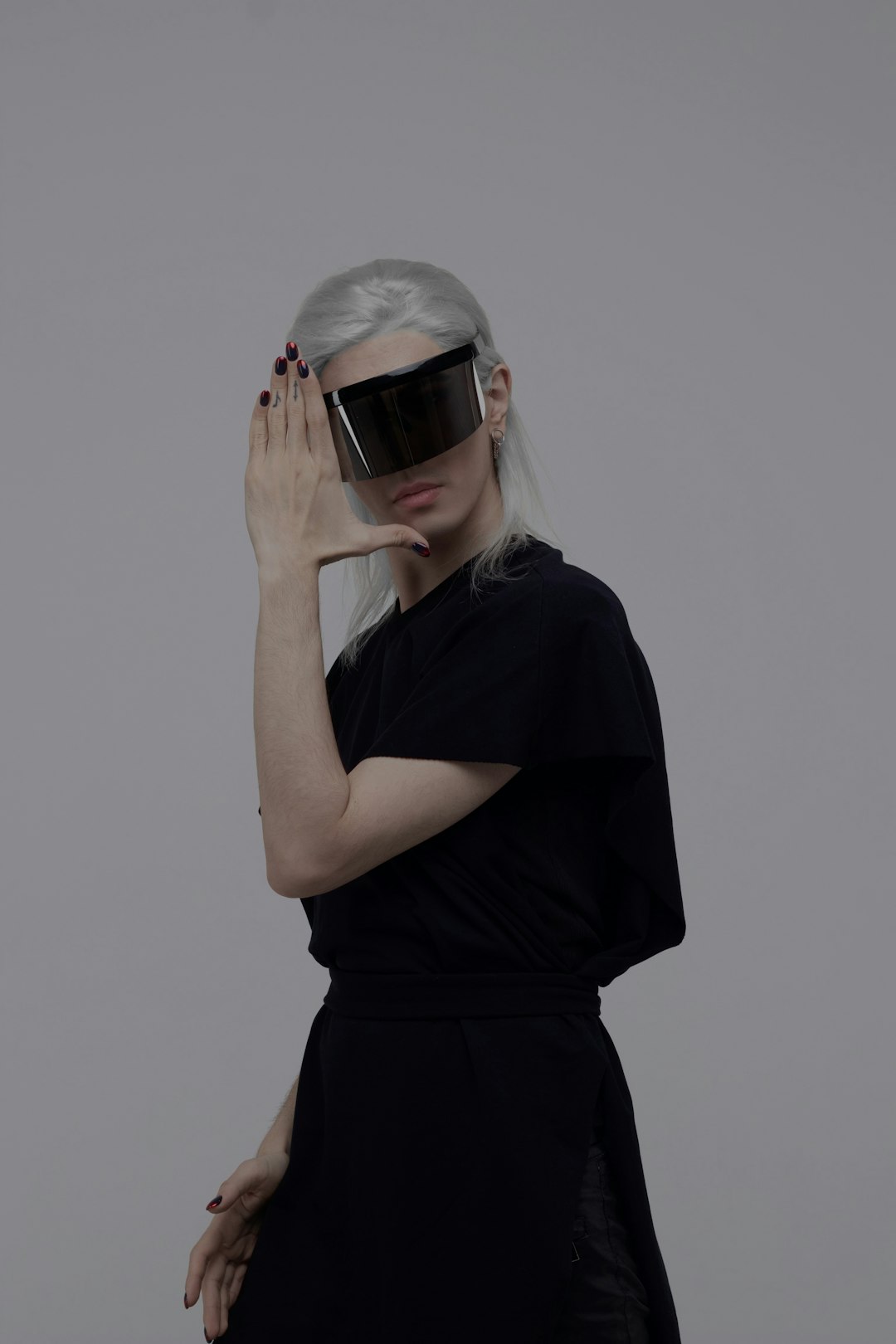
In a world increasingly governed by algorithms, avatars, and aesthetic trends, few digital personalities are leaving a mark as unforgettable and as disruptively creative as Babydollkaila. Positioned at the intersection of fashion, identity, and technological innovation, Babydollkaila is not merely an influencer — she is a cultural statement. Fusing vibrant self-expression with high-concept digital art, she challenges conventions and rewrites rules for what it means to exist in digital space.
Table of Contents
TLDR:
Babydollkaila is a pioneering digital figure who blends fashion, virtual identity, and innovation to empower authentic self-expression. Through a unique, hyper-stylized aesthetic, she redefines beauty norms and encourages deeper self-reflection in the digital era. Her work resonates beyond social media, influencing both tech and fashion industries. She’s not just a brand — she’s a movement.
The Emergence of a Digital Persona as a Powerhouse
In contrast to traditional influencers, Babydollkaila’s presence isn’t confined to a physical self. She operates within — and often beyond — the constraints of the human form, integrating elements of AR (augmented reality), digital art, and stylized storytelling. Her virtual identity gives her the freedom to transform at will, becoming a living canvas that explores the extremes and subtleties of gender, personality, and artistic design.
What distinguishes Babydollkaila is her layered aesthetic. At first glance, her look is hyper-feminine, pixel-perfect, and sparkly — reminiscent of doll-like avatars pulled from a futuristic dreamscape. Yet upon deeper examination, every choice — from the pastel palettes to the glitched-out eye effects — is an intentional departure from what social media algorithms encourage as “acceptably beautiful.” She’s not promoting perfection; she’s demolishing it.
Redefining Fashion in the Age of Pixels
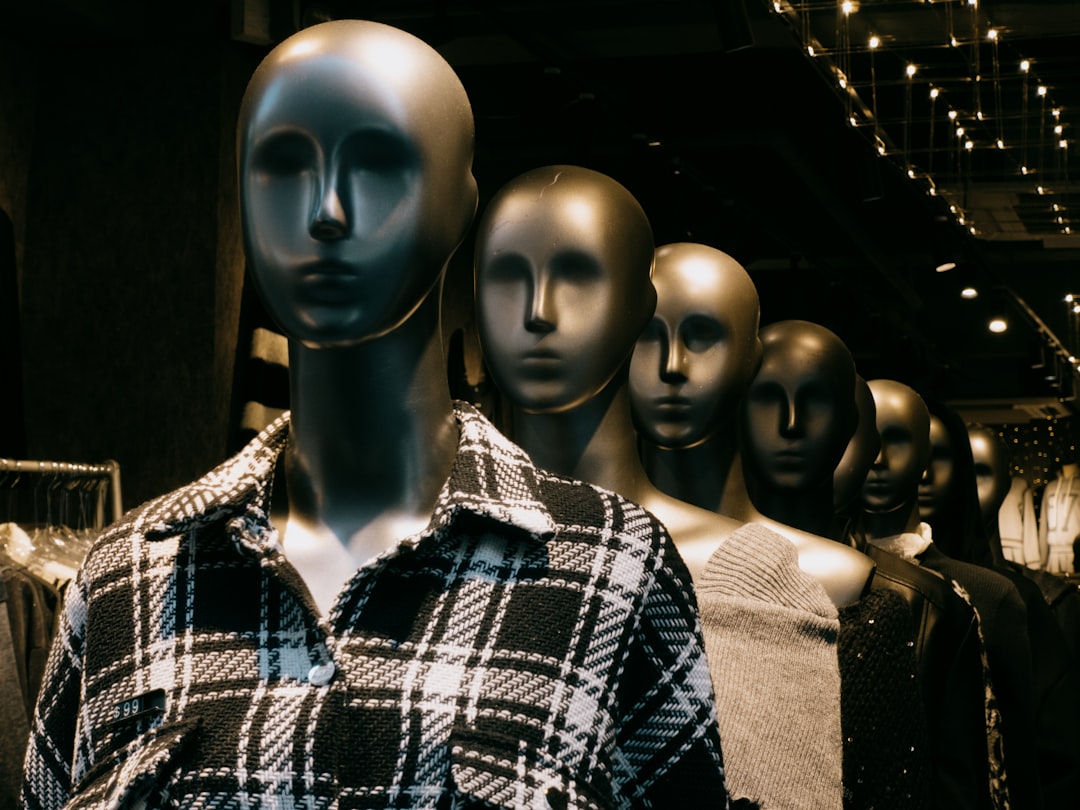
Digital fashion is no longer a novelty; it is rapidly becoming a mainstream avenue for creativity and commerce. Babydollkaila sits on the cusp of this evolution. Unfazed by the laws of physics, she wears garments that defy gravity, change patterns with a blink, and reshape her form entirely. These virtual ensembles aren’t just decorative — they’re ideological. Each piece questions who fashion is for, how it should be experienced, and whether the body needs to be real for the outfit to make an impact.
Her looks often mix:
- Surreal textures — plasticine, holographic silk, liquid metal
- Fantasy motifs — celestial symbols, soft gothic details, enchanted flora
- Dramatic silhouettes — inflated shoulders, swirling capes, cascading pixel trails
These elements create a kind of wearable mythology. She doesn’t follow trends; she architects her own stylistic universe, marked by experimentation and emotional narratives. Babydollkaila’s fashion speaks volumes — sometimes softly, sometimes ferociously — about identity, rebellion, nostalgia, and transformation.
The Politics of Hyperreality
Babydollkaila does more than just model clothing and curate digital spaces; she interrogates the very nature of reality and identity. In an age where authenticity is often performed, not lived, she offers a compelling paradox — a digitally constructed self who feels more authentic than many human influencers. This inversion raises vital questions:
- What does it mean to be “real” in digital spaces?
- Can virtual identities provide more truthful expressions of the self?
- How much of our physical world is already digital fantasy?
Through her art and presence, Babydollkaila destabilizes binaries — real vs fake, natural vs created, feminine vs androgynous — blurring them into irrelevance. Her existence proposes that authenticity is not about medium, but intention. In doing so, she not only expands the idea of selfhood but also radically democratizes self-expression.
Community, Connection, and Cultural Commentary
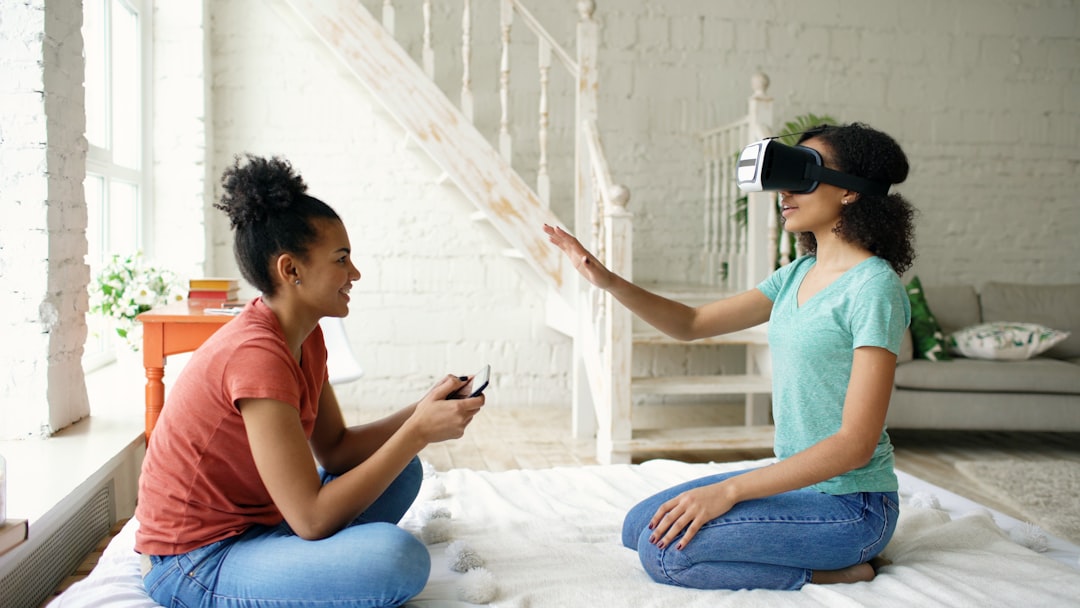
Unlike traditional influencers who primarily serve as aspirational figures, Babydollkaila’s dialog with her followers is dynamic and inclusive. Her content often features calls for collaboration, moodboard submissions, or styling prompts from her community. She reframes the idea of a “fanbase” — not as viewers watching from the sidelines, but as co-creators shaping the visual language together. She is not simply selling a look, but nurturing a movement that values collective creativity.
Moreover, Babydollkaila frequently uses her platform to bring attention to wider cultural issues, such as:
- Algorithmic beauty standards
- Queer and trans representation in media
- Environmental consequences of fast fashion (contrasted with sustainable virtual alternatives)
In doing so, she leverages her digital persona to amplify real-world conversations. Her work doesn’t exist in a vacuum — it ripples outward, touching viewers intellectually and emotionally. There is substance beneath the glitter.
Technology as Medium, Not Just Tool
One of the most intriguing aspects of Babydollkaila is her technological fluency. From collaborating with 3D modelers and AI artists to integrating new XR platforms, she treats emerging technologies not just as instruments for image production, but as collaborators in the artistic process. This allows her identity to continuously evolve, adapting to new artistic challenges and digital frontiers.
For example, her recent collaboration with a generative AI allowed followers to input emotion-based prompts, which were then transformed into a custom outfit and makeup palette. The result? A deeply personal, data-driven fashion narrative that literally wore its heart on its sleeve.
A Roadmap for the Future
Babydollkaila is not just a trend; she’s a blueprint. As younger generations increasingly live, work, date, and dream online, there will be rising demand for tools and personas that serve not only as entertainment but as psychic mirrors and creative allies. The digital space is becoming the main stage for self-discovery, and avatars like Babydollkaila are guiding stars in that process.
Her success hints at several key predictions for the future:
- Virtual fashion will rival — and eventually surpass — physical fashion in influence.
- Digital identities will become expressions of emotional truth, not just aesthetic preference.
- Creators and communities will blend more fluidly, eroding the line between the producer and the viewer.
As other virtual figures emerge in her wake, it’s worth noting that few will offer the same intricate mixture of vulnerability, style, satire, and vision. Babydollkaila is a singular presence, capable of making data feel dreamy and of turning cloud servers into catwalks.
Conclusion: Living the Fantasy, Authentically
Babydollkaila is not a rebellion against reality — she is a reimagining of it. By creating a space where fantasy and authenticity coexist, she reminds us that digital is not the opposite of real. It is another layer of it, equally important, equally revealing.
Her work is a siren call to dream louder, dress digitally, and show up fully — even if through pixels. In a culture obsessed with appearances, Babydollkaila’s brilliance lies in revealing how appearances can be the most intimate truth of all.