

Most organizations should not treat IDS/IPS, NDR, and next-generation firewalls as direct replacements for one another. Each tool sees a different part of an attack. IDS/IPS systems inspect traffic for known threats, NDR watches behavior across the network, and NGFWs enforce policy at key control points.
TLDR: IDS/IPS is best for spotting or blocking known malicious traffic, while NDR is better at finding strange behavior after an attacker is already inside. A next-generation firewall can replace some standalone IPS functions at the edge, but it rarely gives the same internal visibility as NDR. For example, a midsize company with 800 users may cut noisy perimeter alerts by 35% with NGFW tuning, yet still need NDR to detect lateral movement between two internal servers at 2:00 a.m.
Table of Contents
What IDS and IPS systems actually do
An Intrusion Detection System, or IDS, monitors traffic and raises alerts when it sees signs of attacks. An Intrusion Prevention System, or IPS, sits inline and can block suspicious traffic before it reaches the target.
Both rely heavily on signatures, protocol checks, threat feeds, and rule sets. They can catch port scans, exploit attempts, malware callbacks, policy violations, and known attack patterns. This makes them useful for regulated environments and networks that need clear inspection points.
The catch is that IDS/IPS systems can be noisy. A poorly tuned IPS may block valid traffic. A poorly tuned IDS may bury analysts under alerts that look urgent but lead nowhere. It drives analysts crazy when a rule fires 400 times in an afternoon because one outdated printer talks in a weird way.
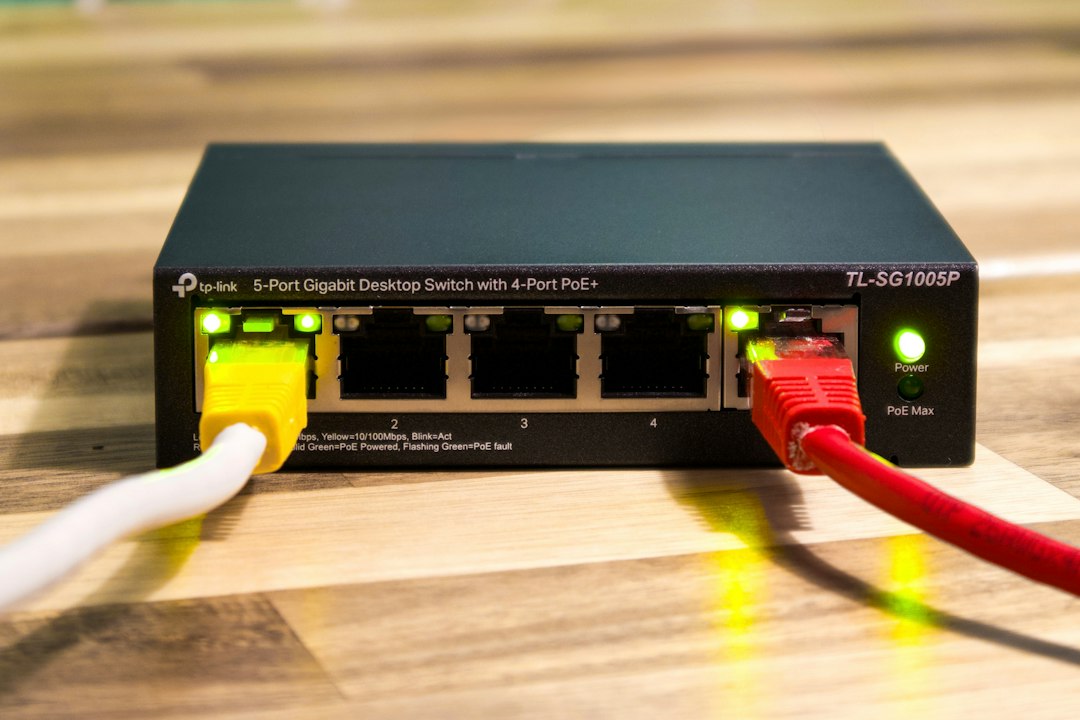
IDS vs IPS: the key difference
- IDS: Detects and alerts. It usually sits out of band and does not stop traffic directly.
- IPS: Detects and blocks. It sits inline, so it can drop packets, reset sessions, or reject connections.
- Risk profile: IDS is safer to deploy but slower to respond. IPS acts faster but can break business traffic if tuned badly.
- Best fit: IDS suits monitoring and compliance. IPS suits enforcement at internet edges, data center choke points, and high-risk zones.
Many teams start IDS rules in alert-only mode. After review, proven rules move into prevention mode. This reduces the risk of blocking payroll systems, customer portals, or backup jobs by mistake.
Where NDR fits
Network Detection and Response, or NDR, focuses on behavior. Instead of only asking, “Does this packet match a known bad pattern?” NDR asks, “Is this device acting strangely compared with its normal behavior?”
NDR tools inspect traffic metadata, packet flows, DNS activity, authentication patterns, east-west movement, and sometimes full packets. They are often better at finding stealthy activity such as credential misuse, internal reconnaissance, rare protocol use, and unusual data transfers.
For example, an IDS may miss an attacker using valid admin credentials over standard SMB traffic. NDR may flag that same session because the user account never accessed 60 file shares in 10 minutes before.
This is why NDR is often used after attackers bypass perimeter controls. It gives security teams a view inside the network, where older IDS/IPS placements often have major blind spots.
How next-generation firewalls compare
A next-generation firewall, or NGFW, combines traditional firewall policy with features such as application control, user awareness, SSL inspection, URL filtering, malware scanning, and often IPS.
For many companies, the NGFW becomes the main prevention tool at the internet edge. It can block risky applications, inspect encrypted sessions, apply user-based rules, and stop known exploits. That makes it a practical alternative to a standalone IPS in some edge deployments.
Still, NGFWs have limits. They usually see traffic that passes through them. If two internal servers talk on the same segment, the firewall may never see that flow. Hairpinning all internal traffic through a firewall can be expensive, slow, and ugly to manage.

IDS/IPS vs NDR vs NGFW
| Tool | Main strength | Main weakness |
|---|---|---|
| IDS | Detects known threats with low deployment risk | Does not block attacks by itself |
| IPS | Blocks known malicious traffic inline | Can create false positives that disrupt services |
| NDR | Finds suspicious behavior and lateral movement | Needs baseline time and good network visibility |
| NGFW | Enforces policy with firewall, app, user, and IPS controls | May miss internal traffic that does not cross it |
When IDS/IPS still makes sense
IDS/IPS remains valuable when an organization needs precise inspection at known control points. This includes data center ingress, partner connections, industrial networks, branch links, and compliance zones.
It also helps when a team wants clear evidence of attempted exploitation. IDS alerts can show the source, target, rule, payload pattern, and timestamp. That is useful for audit trails and incident review.
However, teams should expect ongoing care. Rules need updates. Exceptions need review. False positives need pruning. Expect to waste time on tuning if the deployment starts with every rule enabled and no traffic baseline.
When NDR is the better choice
NDR is the stronger option when the main worry is hidden activity inside the network. This includes insider threats, stolen credentials, unmanaged devices, lateral movement, and slow data theft.
It also helps in cloud and hybrid environments where traffic no longer follows one clean path through a perimeter firewall. NDR can collect from sensors, packet brokers, virtual taps, and flow logs to build a broader picture.
NDR is not magic. It needs useful data. If sensors only see 20% of traffic, detection quality suffers. If asset inventory is a mess, investigations take longer. The best NDR programs pair network data with identity, endpoint, and vulnerability context.
When an NGFW can replace standalone IPS
An NGFW can replace standalone IPS when the goal is edge enforcement. If most north-south traffic already crosses the firewall, built-in IPS may be enough. This reduces appliance sprawl and keeps policy in one place.
That said, replacement should be tested. Security teams should compare rule depth, throughput with inspection enabled, SSL decryption limits, logging detail, and integration with SIEM or SOAR tools. A firewall that performs well without inspection may slow down once TLS inspection, malware scanning, and IPS are active.

A practical selection guide
- Choose IDS when visibility and alerting matter more than automatic blocking.
- Choose IPS when known attacks must be stopped inline at defined control points.
- Choose NDR when internal visibility, behavior analytics, and lateral movement detection are the priority.
- Choose NGFW when firewall policy, application control, user rules, and threat prevention should sit in one platform.
- Use a mix when the organization has sensitive data, remote users, cloud services, and compliance pressure.
The strongest design often combines them. The NGFW controls access. IPS blocks known threats. NDR finds abnormal movement. IDS provides extra monitoring in sensitive zones. No single product sees everything, and vendors who imply otherwise create bad expectations.
FAQ
Is IDS outdated?
No. IDS is still useful for monitoring, compliance, and forensic visibility. It is less effective as a standalone defense against modern attacks that use valid credentials and encrypted traffic.
Can NDR replace IDS/IPS?
Sometimes it can replace IDS for detection use cases, but it does not fully replace IPS blocking. NDR is stronger for behavior and internal movement. IPS is stronger for inline prevention against known threats.
Is a next-generation firewall enough for small businesses?
For many small businesses, a well-managed NGFW with IPS, DNS filtering, and endpoint protection may be enough at first. As the network grows, NDR or managed detection services may become necessary.
What causes most IDS/IPS false positives?
Common causes include outdated rules, unusual legacy systems, poor asset context, encrypted traffic gaps, and rules enabled without testing. Tuning should be part of the deployment plan.
Which tool should be implemented first?
Most organizations start with an NGFW at the edge, then add IDS/IPS or NDR based on risk. Companies worried about internal threats, ransomware spread, or stolen credentials should consider NDR sooner.