
Building apps without code feels like magic. You drag. You drop. You launch. Tools like Adalo made that dream popular. But today, teams want more power, more flexibility, and fewer limits. That is why many companies are exploring other no-code and low-code platforms.
TLDR: Adalo is great for simple apps, but many teams outgrow it. Platforms like Bubble, Glide, OutSystems, FlutterFlow, and Softr offer stronger performance, deeper customization, or better scaling. The right choice depends on your team, your budget, and how complex your app needs to be. This guide breaks down the top alternatives in a simple way.
Let’s dive into the solutions teams evaluate instead of Adalo.
Table of Contents
Why Teams Look Beyond Adalo
Adalo is beginner-friendly. It is visual. It feels approachable. That is a big plus.
But as teams grow, challenges appear:
- Performance can slow down with larger apps
- Limited backend flexibility
- Scaling concerns for high user traffic
- Advanced logic can get tricky
For MVPs, Adalo works well. For complex products, teams often need more control.
That is when they start comparing options.

1. Bubble
Bubble is one of the biggest names in no-code. It is powerful. Very powerful.
Many startups build full SaaS platforms on Bubble. Not just prototypes. Real products.
Why teams choose Bubble:
- Strong database capabilities
- Advanced workflow automation
- API integrations
- Custom logic control
- Large plugin ecosystem
Bubble feels more technical than Adalo. But it gives you serious flexibility.
You can build:
- Marketplaces
- Client portals
- Internal dashboards
- Complex web apps
The learning curve is steeper. But the payoff can be huge.
Best for: Teams building complex web-based platforms.
2. Glide
Glide takes a different approach. It turns spreadsheets into apps.
Simple. Fast. Clean.
It connects to:
- Google Sheets
- Airtable
- Glide Tables
Teams love Glide for internal tools. Think HR directories. Inventory trackers. Client dashboards.
Why teams pick Glide over Adalo:
- Extremely fast setup
- Beautiful modern UI
- Easy data handling
- Strong for internal business apps
But Glide is not ideal for highly complex, public-facing consumer apps.
Best for: Internal business tools and quick deployments.
3. FlutterFlow
FlutterFlow blends no-code with real code output. That is the big difference.
It is built on Google’s Flutter framework.
This means you can export real Flutter code.
That makes developers happy.
Why teams evaluate FlutterFlow:
- Native mobile performance
- Custom animations
- Firebase integration
- Code export option
Unlike Adalo, FlutterFlow feels closer to traditional app development.
Design control is strong. Performance is solid.
It does require more technical comfort.
Best for: Startups building mobile-first apps that may later transition to full dev teams.

4. Softr
Softr is sleek. It connects directly to Airtable and Google Sheets.
It focuses on web apps and portals.
Think:
- Membership sites
- Client portals
- Internal tools
- Resource directories
Why teams like Softr:
- Pre-built templates
- Easy data connections
- Clean design blocks
- Fast deployment
Compared to Adalo, Softr feels more structured. Less custom logic. More speed.
Best for: Teams who want structured web apps fast.
5. OutSystems
Now we move into serious enterprise territory.
OutSystems is low-code. Not purely no-code.
Big companies use it.
Banks. Healthcare providers. Governments.
Why companies choose OutSystems:
- Enterprise-grade security
- Scalability
- Advanced integrations
- Strong governance tools
It is more complex than Adalo. And more expensive.
But for large organizations, it fits.
Best for: Enterprise teams with IT departments.
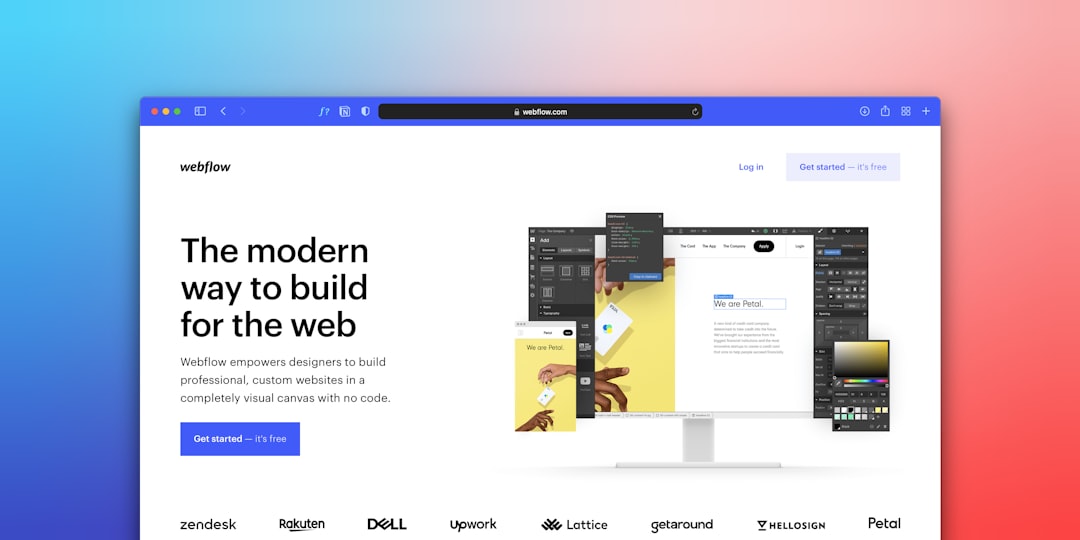
6. Webflow + Memberstack or Wized
This combo is interesting. Webflow handles design. Memberstack or Wized adds logic and memberships.
The result? A powerful web app system.
Why teams try this stack:
- Full design freedom
- Strong CMS capabilities
- Custom interactions
- Flexible user authentication
It requires stitching tools together. But the reward is creative freedom.
Best for: Design-driven teams building web apps.

Comparison Chart
| Platform | Best For | Complexity Level | Mobile Apps | Scalability |
|---|---|---|---|---|
| Bubble | Complex web apps | Medium to High | Web responsive | High |
| Glide | Internal tools | Low | Yes | Medium |
| FlutterFlow | Mobile-first startups | Medium | Native apps | High |
| Softr | Portals and directories | Low to Medium | Web app | Medium |
| OutSystems | Enterprise solutions | High | Yes | Very High |
| Webflow Stack | Design-driven web apps | Medium | Web responsive | Medium to High |
How Teams Choose the Right Alternative
Choosing a platform is not about features alone. It is about fit.
Teams usually ask:
- How complex is our app?
- How many users do we expect?
- Do we need native mobile performance?
- Will developers take over later?
- What is our budget?
A scrappy startup building an MVP might choose Bubble or FlutterFlow.
A marketing team building a simple client portal might choose Softr.
An HR department might love Glide.
A global corporation might require OutSystems.
Context matters.
The Rise of Hybrid No-Code
Here is something interesting.
Many teams no longer want pure no-code.
They want hybrid flexibility.
That means:
- Start without coding
- Add custom code later
- Export code if needed
- Integrate APIs easily
This is why platforms like FlutterFlow and Bubble continue growing fast.
They balance simplicity and control.
Common Migration Reasons
Teams switching from Adalo often mention:
- App performance limitations
- More complex backend needs
- Pricing concerns at scale
- Desire for stronger integrations
Migration is not always easy. But many teams see it as a long-term investment.
Final Thoughts
Adalo remains a great starting point. It lowers the barrier to entry. It makes app building feel possible.
But as products grow, needs change.
Some teams need stronger logic. Others need better design control. Some need enterprise governance. Others need native speed.
The no-code space is evolving fast. That is good news.
You are not locked into one tool.
The smartest teams experiment. They prototype quickly. They think ahead about scale.
And most importantly, they choose tools that fit their current stage, not just their long-term dream.
Because building an app should feel exciting. Not limiting.
And today, you have more choices than ever.