

Your voice is an instrument—one that requires consistent practice, fine-tuning, and mindful technique to reach its full potential. Whether you’re a singer, public speaker, podcaster, actor, or educator, refining your vocal tone and control can dramatically improve how your message is received. Fortunately, modern voice training tools make it easier than ever to develop precision, consistency, and confidence. Below, we explore three highly effective voice training tools that help you refine technique and tone while accelerating your growth.
TLDR: Improving your vocal tone and technique requires consistent feedback and structured practice. Tools like vocal pitch training apps, digital voice recorders with waveform analysis, and breathing resistance devices provide measurable ways to improve clarity, strength, and control. Each tool targets a different core skill—pitch accuracy, tonal awareness, and breath support. Combining them creates a powerful, well-rounded voice training routine.
Table of Contents
1. Vocal Pitch Training Apps
Pitch accuracy sits at the heart of strong vocal technique. Even for non-singers, being able to control pitch improves vocal authority, clarity, and listener engagement. Vocal pitch training apps use real-time audio recognition to track your pitch and provide immediate feedback, helping you see exactly how steady—or unstable—your voice is.
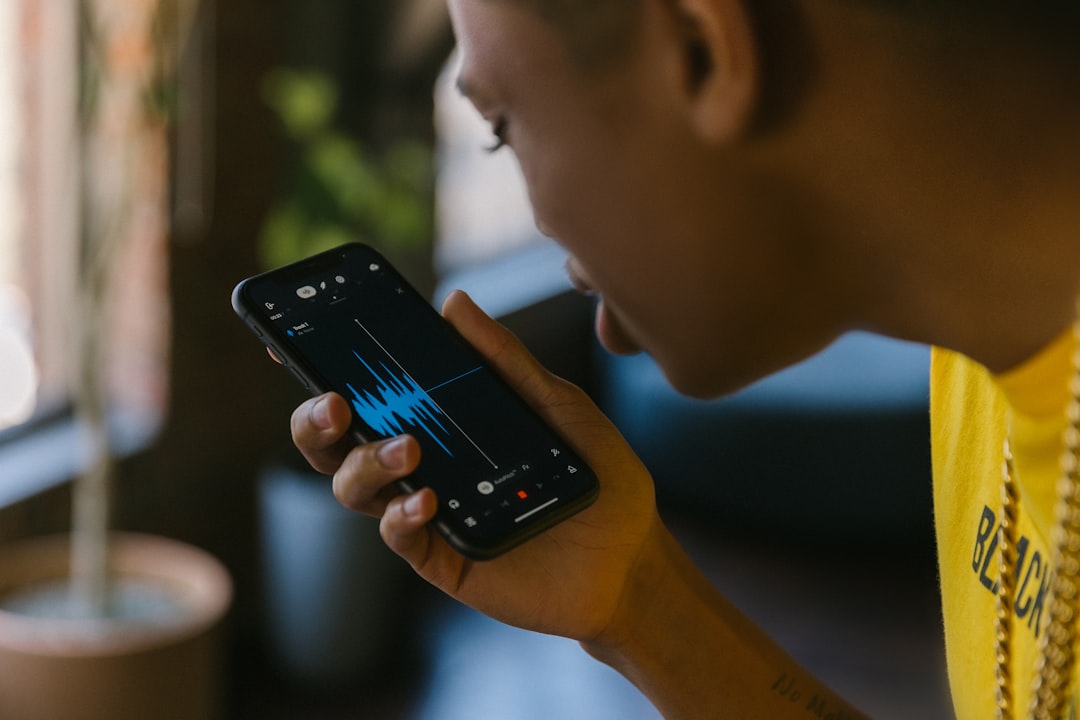
These apps display visual indicators such as:
- Pitch graphs showing whether you’re sharp, flat, or on key
- Real-time tuners for sustained notes
- Scale exercises to build range and flexibility
- Progress tracking over days or weeks
Why this matters: Many vocal issues stem from not realizing what your voice is actually doing. You might think you’re maintaining a steady note, when in reality it wavers. Instant visual feedback trains your ear and your muscle memory simultaneously.
How It Refines Technique
- Improves pitch stability: Holding a note becomes more controlled.
- Expands vocal range: Structured exercises gradually increase upper and lower limits.
- Strengthens ear training: You learn to hear subtle tonal shifts.
- Enhances confidence: Knowing you’re on pitch eliminates guesswork.
For speakers and presenters, improved pitch control prevents monotone delivery. For singers, it ensures cleaner harmonies and richer tones. Either way, pitch mastery significantly upgrades vocal polish.
2. Digital Voice Recorders with Waveform and Tone Analysis
If pitch is about accuracy, tone is about quality. One of the most overlooked yet powerful training methods is recording and analyzing your own voice. Modern digital recording tools allow you to visually inspect your vocal output using waveform and frequency analysis.

Listening back to yourself can feel uncomfortable at first, but it’s one of the fastest ways to grow. Waveform displays reveal:
- Volume consistency throughout speech
- Breath noise between phrases
- Harsh consonants or sibilance
- Dynamic variation in emphasis and tone
Advanced audio editors may also show frequency spectrums, which help identify tonal imbalances—such as overly nasal qualities or excessive throat tension.
How It Refines Tone
1. Identifies Tension Patterns
Excess throat or jaw tension often produces a strained sound. Sharp waveform spikes and harsh frequencies highlight where physical adjustments are needed.
2. Improves Resonance Awareness
Comparing recordings made with chest resonance versus head resonance lets you objectively evaluate warmth and clarity.
3. Builds Dynamic Control
You can zoom into moments where your voice drops too low or spikes too loud, training smoother transitions.
4. Enhances Articulation
Slurred consonants and weak endings become much more obvious when replayed.
For podcasters and broadcasters, this tool is invaluable. But even everyday professionals benefit. Hearing your authentic vocal output—rather than how it sounds internally in your head—bridges the gap between perception and reality.
3. Breathing Resistance and Support Trainers
Every strong voice rests on one foundation: breath support. Without steady airflow, pitch wavers and tone thins out. Breathing resistance trainers are compact devices designed to strengthen respiratory muscles and improve airflow efficiency.

These devices typically create controlled resistance during inhalation or exhalation, strengthening:
- The diaphragm
- Intercostal muscles
- Lung capacity management
By increasing breath stamina, you reduce throat strain and gain a smoother, fuller sound.
How It Refines Technique and Tone
- Stabilizes long phrases: Sustain sentences or lyrics without gasping.
- Enhances vocal power: More airflow supports stronger projection.
- Reduces vocal fatigue: Less strain equals longer performance endurance.
- Improves tonal richness: Adequate breath deepens resonance.
Many voice problems are actually breathing problems in disguise. If your voice cracks, weakens, or becomes shaky under pressure, improving breath control often resolves the issue.
Comparison Chart: Choosing the Right Tool
| Tool | Primary Focus | Best For | Main Benefit | Skill Level |
|---|---|---|---|---|
| Vocal Pitch Training Apps | Pitch accuracy and control | Singers, speakers, beginners | Real-time visual pitch feedback | All levels |
| Digital Voice Recorder with Analysis | Tone quality and articulation | Podcasters, presenters, actors | Objective tonal review and waveform data | Beginner to advanced |
| Breathing Resistance Trainers | Breath support and stamina | Singers, public speakers | Improved airflow and vocal endurance | All levels |
How to Combine These Tools for Maximum Results
Each tool strengthens a different aspect of vocal performance. Used together, they create a comprehensive training system.
A Simple Weekly Structure
- Daily (5–10 minutes): Breathing resistance exercises to build stamina.
- 3–4 times per week: Pitch app scale and sustain drills.
- 2 times per week: Recorded speech or singing sessions with waveform analysis.
This layered approach ensures you’re building foundational strength (breath), precision (pitch), and refinement (tone analysis) simultaneously.
Common Mistakes to Avoid
Even the best tools won’t help if misused. Here are a few pitfalls to watch for:
- Overtraining: Vocal muscles need recovery, just like physical muscles.
- Ignoring posture: Breath control collapses if posture is poor.
- Relying only on visuals: Always train your ear alongside app feedback.
- Skipping warm-ups: Cold vocal cords are more prone to strain.
Technology enhances awareness, but mindful practice ensures sustainable growth.
The Bigger Picture: From Technique to Expression
Refining technique and tone isn’t about becoming robotic or overly controlled. In fact, it’s the opposite. Strong technical foundations free you to express emotion, command attention, and speak or sing with natural authority.
When pitch stabilizes, you stop worrying about missing notes. When breath supports you fully, phrases flow effortlessly. When you understand your tonal patterns, you adjust in real time without second-guessing yourself.
Mastery creates freedom.
These three tools—pitch training apps, digital voice analysis, and breathing resistance trainers—make that mastery measurable. They transform vague advice like “project more” or “support your voice” into actionable training steps.
Final Thoughts
Your voice shapes how others perceive your confidence, competence, and charisma. Investing in the right training tools accelerates improvement and prevents long-term strain. Whether your goal is captivating a stage audience, delivering polished presentations, or recording professional-quality audio, consistent vocal training makes the difference.
By integrating structured pitch feedback, objective tone analysis, and breath-strengthening exercises into your routine, you refine not just how you sound—but how you’re heard.
The result? A voice that is steady, resonant, expressive, and unmistakably powerful.